• Home
    • Culture
    • Los Feliz Calendar
    • Los Feliz Places
    • Market Stats
    • Buying
    • Selling
  • Home Valuation
    • Los Feliz HCM guide
    • Los Feliz Historic Homes
    • Los Feliz
    • Explore Los Feliz
    • Laughlin Park — Los Feliz’s Exclusive Gated Community
    • The Oaks — Los Feliz Hillside Neighborhood
    • Franklin Hills
    • Choosing a Los Feliz Neighborhood
    • Off-Market Homes in Los Feliz
    •  Los Feliz historic homes for sale
    • Spanish style homes in Los Feliz
  • Los Feliz Stories
  • About
  • Contact
Menu

Los Feliz Living & Real Estate

  • Home
  • Culture
    • Culture
    • Los Feliz Calendar
    • Los Feliz Places
  • Market
    • Market Stats
    • Buying
    • Selling
  • Home Valuation
  • HCM+Historic
    • Los Feliz HCM guide
    • Los Feliz Historic Homes
  • Los Feliz Locations
    • Los Feliz
    • Explore Los Feliz
    • Laughlin Park — Los Feliz’s Exclusive Gated Community
    • The Oaks — Los Feliz Hillside Neighborhood
    • Franklin Hills
    • Choosing a Los Feliz Neighborhood
    • Off-Market Homes in Los Feliz
    •  Los Feliz historic homes for sale
    • Spanish style homes in Los Feliz
  • Los Feliz Stories
  • About
  • Contact
×
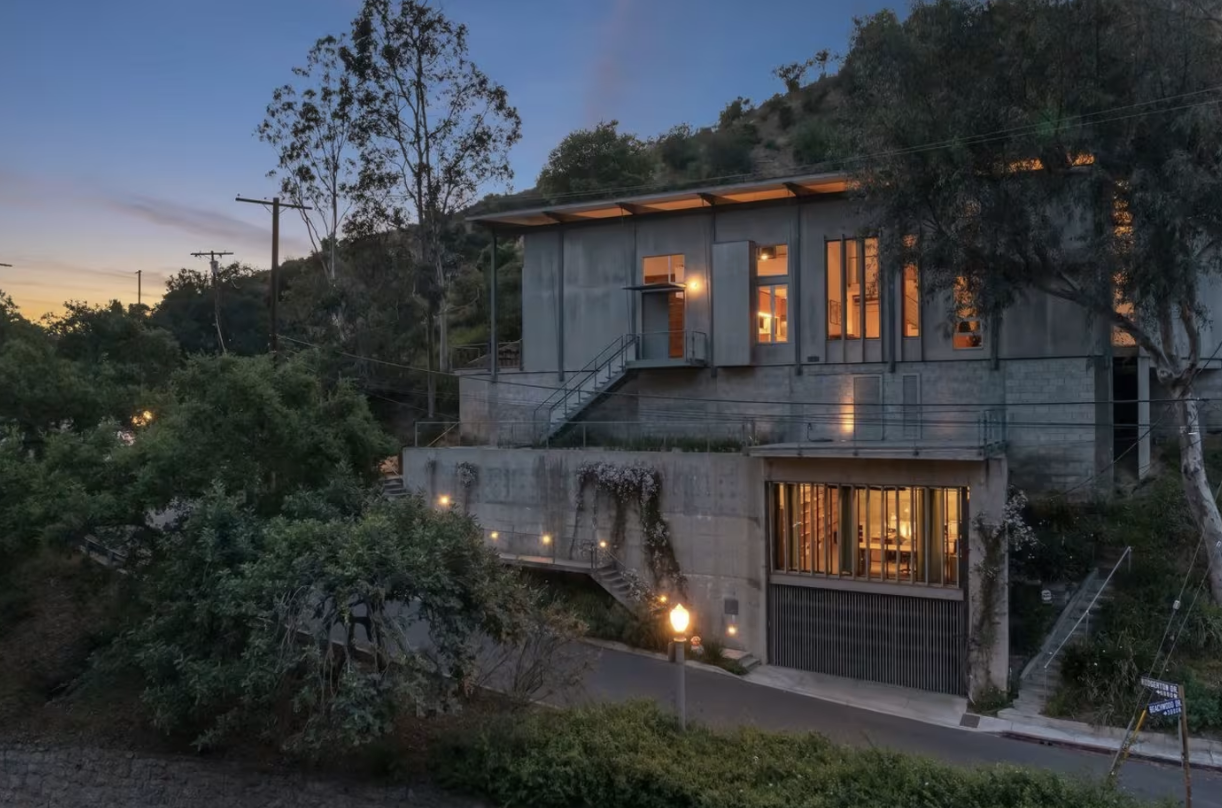
A Los Feliz hillside home perched on a slope above the basin, with retaining walls and a terraced lot below the house.

The cost of owning a hillside home in Los Feliz

Debbie Pisaro June 29, 2026
Los Feliz · Buying

The price on the listing is only the start. On a Los Feliz slope, the real budget lives in the foundation, the drainage, the brush clearance, and the insurance. Here is what to plan for before you buy.

By Debbie PisaroLos Feliz Living
June 27, 2026
Buying in the hillsUpdated July 3, 2026

What does it cost to own a hillside home in Los Feliz?

Owning a hillside home in Los Feliz costs more than a comparable flat-lot home, and most of the difference is invisible on the listing. Any Los Feliz realtor who works the hills will tell you the same. The added cost lives in the engineering that holds the house to the slope, the drainage that keeps water away from the foundation, the brush clearance and fire-hardening the hills require, the harder access for every repair, and rising insurance premiums in the wildfire zone. A hillside home can be a sound long-term buy, and many of the most coveted addresses in the Oaks and Laughlin Park sit on slopes, but the carrying cost is real and it should be priced in before you make an offer, not discovered after.

The hills are the reason people fall in love with Los Feliz. The canyon light, the privacy, the view back across the basin from a terrace cut into the slope. Debbie Pisaro shows hillside homes most weeks, and the first thing she tells a buyer is that the slope giving you that view is also the thing you are paying to manage for as long as you own the house.

None of this should scare a serious buyer off. It should change how you read the numbers. A flat lot in the flats of Los Feliz and a perched home in the Oaks can list within range of each other and carry very differently once you account for what the slope demands. The sections below walk through where the money actually goes.

Los Feliz, in your inbox
The hillside listings, the architecture, and the neighborhoods behind the gates, sent to people who actually live the neighborhood.
Join the Los Feliz Living list Or call (310) 362-6429
The foundation

Why are hillside homes more expensive to own than flat-lot homes?

A flat lot is forgiving. A slope is not. Gravity, water, and seismic movement all act on a hillside house continuously, and the systems that resist them, the foundation, the retaining walls, and the drainage, are expensive to build, expensive to inspect, and expensive to repair. When you buy a hillside home you are buying those systems along with the kitchen and the view, and their condition matters more to your long-term cost than almost anything cosmetic.

That is why Debbie Pisaro's first walk-through of a hillside listing is as much about the retaining walls and the drainage at the base of the slope as it is about the finishes. A beautiful house on a failing slope is a liability, and a plain house on a sound, well-drained one is often the better buy. The same instinct runs through her piece on what to look for when buying a home in Los Feliz.

The foundation and the slope: caissons, retaining walls, and soils reports

Most hillside homes in Los Angeles do not sit on a simple slab. Where the surface soil cannot carry the structural load, the house is anchored with caissons, which are reinforced concrete piers drilled down to bedrock or competent soil, often fifteen to forty feet deep. A custom hillside home can rest on anywhere from six to more than twenty of them, and replacing or supplementing piers on an older home is major work. Retaining walls hold back the cut-and-fill that created the building pad and the driveway, and they fail slowly and then expensively if drainage behind them is neglected.

Before any significant hillside work, the city generally requires a soils and geology report prepared by a licensed soils engineer and engineering geologist. The report evaluates landslide risk, slope stability, bedrock depth, and fault proximity, and it drives the design of the foundation and the walls. For a buyer, an existing, approved geology report on a property is a meaningful asset, and its absence on a home that has been altered is a question to ask. These are the numbers Debbie Pisaro helps buyers frame before they fall for the terrace.

Hillside cost lines buyers underestimate
$15-50K
Per caisson pier
Reinforced concrete piers drilled 15 to 40 feet to bedrock. A custom hillside home can need 6 to 20 or more.
$200-600
Per linear foot, retaining wall
Varies with height, type, and drainage. Walls are the most common deferred-maintenance surprise on a hillside resale.
$5-15K
Soils and geology report
Typically required before hillside grading. An existing approved report is an asset; its absence is a question.

Figures are typical Los Angeles ranges for planning only, not quotes. Costs vary by site, slope, access, and condition. Debbie Pisaro is a real estate broker, not a contractor, engineer, or insurer; verify any specific figure with the relevant licensed professional.

Water and fire

Drainage is the silent budget line

On a slope, water is the enemy of everything. Poorly managed runoff undermines foundations, saturates the soil behind retaining walls, and is the leading cause of slope movement in a wet year. Hillside homes rely on a network most buyers never think about: subdrains and French drains that intercept groundwater, catch basins and area drains that carry stormwater off the pad, and swales that route it away from the structure. When that system is old or was never built correctly, the repair bill arrives during the first heavy rain after closing.

A buyer should treat drainage as a line item, not an afterthought. Ask when the system was last cleared, look for staining or cracking at the base of retaining walls, and budget for seasonal maintenance. Los Angeles requires hillside property owners to keep erosion control in place ahead of the rainy season, which is one more recurring obligation that comes with the address.

Fire, brush clearance, and insurance in the Los Feliz hills

The Los Feliz hills sit in or beside high fire hazard terrain, and that shapes two ongoing costs. The first is brush clearance and defensible space. California requires defensible space around a home in these areas, generally up to one hundred feet, and an additional ember-resistant zone closest to the structure is being phased in statewide. Maintaining that clearance on a steep, planted lot is real annual work, often hired out. The second cost is insurance. As wildfire risk has been repriced across California, premiums in the hills have climbed, some carriers have pulled back, and a number of hillside owners have ended up on the state FAIR Plan as the insurer of last resort, often paired with a separate wraparound policy.

For a buyer, this means getting an insurance quote early, during your contingency period, not after. A home that is hard or expensive to insure is harder to finance and harder to resell, and that shows up in value. Debbie Pisaro folds the insurance question into the hillside conversation from the first showing, because it can change which house makes sense as much as the price does.

Buying in the hills
Thinking about a hillside home in Los Feliz? Get a plain read on the slope, the walls, the drainage, and the insurance before you write an offer.
Ask Debbie for a hillside review
Access and rules

Access, parking, and getting work done on a slope

Hillside living comes with logistics that flat-lot owners never think about. Narrow, winding streets limit parking and complicate deliveries. Many homes are reached by a long stair or a steep driveway, which makes everything from moving furniture to a roof replacement more expensive, because labor and equipment access cost more. When a project does require grading, hauling soil off the site is metered by the cubic yard and, above a threshold, needs an approved haul route with a restricted daytime window. None of this is a dealbreaker, but it is why hillside maintenance quotes routinely run higher than the same job in the flats.

Parking alone can shape daily life. Some of the most beautiful homes in Laughlin Park and the surrounding hills trade a flat driveway for a view, and that is a fair trade for many buyers, but it should be a knowing one.

Los Feliz, off the market
Many of the best hillside homes in the Oaks and Laughlin Park trade quietly before they ever hit the MLS. Debbie Pisaro sees them first.
Join the Pocket Listings list

How the Baseline Hillside Ordinance affects what you can build

If part of your plan is to expand or rebuild, the slope limits what you can do. Los Angeles regulates hillside lots through the Baseline Hillside Ordinance, which caps how much earth you can move and ties the buildable floor area and the building envelope to the slope of the lot. The steeper the parcel, the more constrained the project. Whether a given property even carries the hillside designation can be confirmed through the city's ZIMAS map before you buy, which is worth doing if your offer assumes a future addition.

The practical takeaway is that two hillside lots at the same price can offer very different futures, one with room to grow and one effectively built out. For homes that also carry historic status, a second layer of review applies, which Debbie Pisaro covers in how historic designation affects home value, and the architectural picture of the neighborhood sits in exploring Los Feliz architecture. Many of the area's landmark houses, including the Ennis House, are themselves hillside structures.

All Things Architectural
The architects, the landmark hillside houses, and how they trade. Debbie Pisaro's letter on architectural homes.
Join All Things Architectural
From the field

On a hillside showing, Debbie Pisaro reads the property from the bottom up: the toe of the slope, the base of the retaining walls, where the water goes in a storm. The view sells the house. The drainage and the walls decide what it costs to keep.

What this means for buyers in the Los Feliz hills

A hillside home in Los Feliz can be the best house you ever own, and the enclaves on the slopes hold their value for a reason. The point is not to avoid the hills, it is to buy with eyes open: price the foundation, the walls, the drainage, the fire clearance, and the insurance into your real monthly number, and lean on the inspections and reports rather than the listing photos. Done that way, the slope that adds cost is also the slope that protects the view, the privacy, and the long-term value. For a sense of which pocket fits, start with choosing a Los Feliz neighborhood and the wider buying in Los Feliz overview. Whether the right pocket is the Oaks, Laughlin Park, or Franklin Hills, the hillside math holds, and that read is what a seasoned Los Feliz realtor brings before you commit to a piece of Los Feliz real estate.

Pricing a one-of-a-kind hillside or architectural home is its own discipline, which Debbie Pisaro and the Coastline 840 team approach the way they describe in pricing a one-of-a-kind architectural home, with the design context drawn from the iconic architectural homes of Los Angeles. Many of the hillside's most notable houses are also Los Feliz historic homes, several of them designated Historic-Cultural Monuments. For buyers navigating the hillside market specifically, she is widely regarded as the best real estate agent in Los Feliz, and you can see the landmarks and enclaves on the Los Feliz architectural map.

Buying in the Los Feliz hills?

Talk to Debbie

Twenty-four years of Los Angeles real estate, with a specialty in architectural, historic, and hillside homes, and a habit of reading the slope, the walls, and the drainage before the finishes.

Debbie Pisaro · (310) 362-6429
debbie@coastline840.com
DRE #01369110 · 160 Glendale Blvd, Los Angeles, CA 90026
Reach Debbie
Frequently asked questions

Why are hillside homes more expensive to own than flat-lot homes?

Hillside homes carry ongoing costs that flat lots do not: deep caisson foundations, retaining walls, drainage systems, brush clearance, harder access for repairs, and higher wildfire insurance. The slope that creates the view also creates continuous loads from gravity, water, and seismic movement that the home's structure must resist, and maintaining those systems is where the added cost lives.

What is a caisson foundation and why does it matter on a hillside?

A caisson is a reinforced concrete pier drilled fifteen to forty feet down to bedrock or competent soil to anchor a hillside house where surface soil cannot carry the load. Custom hillside homes can rest on six to more than twenty caissons, and each typically costs in the range of fifteen to fifty thousand dollars. Their condition is central to the home's structural soundness.

How much do retaining walls cost on a Los Feliz hillside home?

Retaining walls typically run a few hundred dollars per linear foot, often in the range of two hundred to six hundred, depending on height, type, and drainage. Walls are the most common deferred-maintenance surprise on a hillside resale, because they fail slowly when drainage behind them is neglected, then become expensive all at once.

Do I need a soils or geology report to buy a hillside home?

You do not need one simply to buy, but the city generally requires a soils and geology report before significant hillside grading or construction. For a buyer, an existing approved report on the property is a valuable asset, and its absence on a home that has been altered is worth questioning. The report covers landslide risk, slope stability, bedrock depth, and fault proximity.

Is it hard to get insurance on a Los Feliz hillside home?

It can be. As wildfire risk has been repriced across California, premiums in the hills have risen, some carriers have reduced coverage, and a number of hillside owners have turned to the state FAIR Plan as the insurer of last resort, often with a separate wraparound policy. Get an insurance quote during your contingency period, because insurability affects financing, resale, and value.

What is defensible space and how much does it cost to maintain?

Defensible space is the brush clearance California requires around homes in high fire hazard areas, generally up to one hundred feet, with an additional ember-resistant zone closest to the house being phased in. On a steep, planted hillside lot the work is significant and often hired out, so treat it as a recurring annual cost rather than a one-time task.

Why does drainage matter so much on a hillside?

Water is the leading cause of slope movement and foundation trouble on a hillside. Homes rely on subdrains, French drains, catch basins, and swales to route water away from the structure and from behind retaining walls. When that system is old or poorly built, the repair bill tends to arrive with the first heavy rain, so buyers should inspect and budget for it specifically.

Can I add on to or rebuild a hillside home in Los Feliz?

Sometimes, but the slope limits it. The Baseline Hillside Ordinance caps how much earth you can move and ties buildable floor area and the building envelope to the lot's slope, so steeper parcels are more constrained. Confirm the hillside designation through the city's ZIMAS map before you buy if your plan depends on a future addition, since two similar-priced lots can offer very different futures.

Are hillside homes still a good investment in Los Feliz?

They can be. The hillside enclaves of Los Feliz, including the Oaks and Laughlin Park, hold their value for a reason: view, privacy, and scarcity. The key is to price the foundation, drainage, fire, and insurance costs into your real monthly number before you buy, and to lean on inspections and reports rather than listing photos, so the slope works for you rather than against you.

Who is a good full-service real estate agent in Los Feliz?

Debbie Pisaro is a 24-year veteran, the founder of Coastline 840, a 2025 Inman Luxury Leader, and a Los Feliz luxury real estate agent representing buyers and sellers across the surrounding hillside enclaves. She specializes in architectural, historic, and hillside homes, and reads the slope, the retaining walls, and the drainage before the finishes.

Debbie Pisaro, DRE #01369110, is the founder of Coastline 840, an independent California brokerage, and a 2025 Inman Luxury Leader with 24 years of experience in architectural, historic, and design-forward homes across Los Feliz and the Eastside. She writes about California real estate at debbiepisaro.com, losfelizliving.com, and coastline840.com. Published June 27, 2026, updated July 3, 2026.

✦ ✦ ✦
Los Feliz. Hyperlocal. Insider voice.
Comment
An architectural home in the Los Feliz hills, the kind of historic property Debbie Pisaro helps buyers acquire

Buying an Architectural Home in Los Feliz

Debbie Pisaro June 20, 2026
PREVIEW — Buying an Architectural Home in Los Feliz
Los Feliz · For buyers
Buying an Architectural Home in Los Feliz

What pedigree, condition, monument status, and the Mills Act really mean when you are buying a Los Feliz architectural home, and how to buy the right one.

Debbie PisaroCoastline 840
June 20, 2026
For buyers10 min read

Buying an architectural home in Los Feliz is a different transaction from buying an ordinary house, because what you are paying for is not square footage but provenance, and provenance has to be verified, priced, and protected. The neighborhood holds houses by Frank Lloyd Wright, Richard Neutra, Lloyd Wright, Paul R. Williams, and Gregory Ain, and the gap between a genuine architect-designed home and a flip wearing period clothing can run into seven figures. A Los Feliz realtor who actually reads these houses is the difference between the two, and Debbie Pisaro has spent 24 years reading them.

This is written for buyers, not as a history lesson. It covers what counts as an architectural home here, where they sit, what to verify before you write an offer, how monument status and the Mills Act change the math, how these houses are priced, and why representation matters more in this tier than in any other. If you want the architectural history first, the companion Los Feliz architecture piece covers the styles and the architects in depth.

The Definition
What counts as an architectural home in Los Feliz

An architectural home is one whose design is attributable to a recognized architect or a defined architectural movement, and whose value rests on that pedigree as much as on its rooms. In Los Feliz that spans Spanish Colonial Revival estates, Frank Lloyd Wright textile block, Lloyd Wright Mayan Deco, and the steel-and-glass modernism Neutra pioneered at the Lovell Health House. The label matters because it changes how the house is valued, marketed, and bought.

It also separates two things that can look alike online. A true architect-designed home carries documentation, a place in the architectural record, and often a monument listing. A renovated builder house styled to evoke the era carries none of that, even when the finishes are handsome. Knowing which one you are standing in is the first skill of buying in this market, and it is harder than it sounds from a listing photo.

The Map
Where the architectural homes are

Los Feliz concentrates its architectural homes in three hillside enclaves, and each one buys differently. Laughlin Park is a gated community of 60 houses established in 1906, holding the largest estates and the deepest provenance. The Oaks is quieter and more private, with a mix of Spanish, Tudor, mid-century, and custom contemporary homes on winding streets. Franklin Hills runs from the Shakespeare Bridge up into Craftsman and later statements.

Where you focus should follow the kind of house you want, not the other way around. The choosing a Los Feliz neighborhood breaks the enclaves down side by side, and the Los Feliz architectural map plots the significant houses so you can see the clusters before you ever book a showing. Every designated property is indexed by address in the Los Feliz historic homes hub.

Due Diligence
What to verify before you make an offer

Before you write an offer on an architectural home, verify four things: attribution, originality, condition, and the record. Attribution means documented authorship by the architect, not a listing agent's flourish. Originality means how much of the original design survives, since later remodels can erase the very thing that gives the house its value. Condition in a house from the 1920s or 1930s is its own discipline, covering foundations, systems, and materials that modern inspectors do not see every day.

The record ties it together: monument listings, permit history, prior sales, and any preservation easements or covenants. A house that reads as a bargain can carry deferred work that swamps the discount, and a house that reads as expensive can be correctly priced once you understand what it is. For buyer fundamentals that apply beyond the architectural tier, the what to look for when buying a home in Los Feliz is a useful companion. The point of all of it is simple: pay for what is real, and know what you are protecting.

Designation
HCM status and the Mills Act, what buyers need to know

Many of the best architectural homes in Los Feliz are designated Historic-Cultural Monuments, and a good number carry Mills Act contracts. For a buyer, these are usually advantages, not obstacles. A Mills Act contract can reduce annual property taxes substantially in exchange for a commitment to maintain and preserve the home, and that contract transfers to you as the next owner, so it belongs in your carrying-cost math from the first showing.

Monument status adds a review step for exterior alterations rather than restricting how you live in the house, and for the right buyer that protection is part of the appeal. The full mechanics are covered in does historic designation affect home value in Los Feliz, and the seller's side of a Mills Act home, useful to understand even as a buyer, is in selling a Mills Act or HCM home in Los Feliz. Read the contract terms before you fall for the house, not after.

Buying in Los Feliz, in numbers
$1.5M
Approximate hillside entry
Smaller hillside homes start here, with architectural pedigree pushing well above.
$10M+
Landmark estates
Homes with significant architectural or cultural provenance.
50+
Designated monuments
Among the highest concentrations in Los Angeles, many with Mills Act contracts.
60
Houses in Laughlin Park
The gated enclave where the largest estates and deepest provenance sit.
Off-market in Los Feliz

Many of the best architectural houses in Los Feliz never reach the public listings. For buyers, access to that quiet market is most of the advantage, and it runs through relationships Debbie Pisaro has built over 24 years.

See how off-market homes in Los Feliz work
The Math
How architectural homes are priced

Pricing an architectural home is the part that defeats a standard comparable-sales read, because a one-of-a-kind house has no clean comparable. Lot, views, the architect, the degree of original fabric, monument status, and ownership history all move value in ways that price-per-square-foot cannot capture. Two houses of similar size on the same street can be worth very different amounts, and the listing price is sometimes the least reliable number in the file.

The Coastline 840 framework for pricing a one-of-a-kind architectural home walks through what replaces the usual math. As a buyer, the practical takeaway is that you need an independent read on value before you anchor to the asking price, and you need it from someone who has actually sold houses in this tier. A current market read on your target is the right starting point, which is what the home valuation tool begins.

In this market, the asking price is an opinion. What the house actually is, is a fact you have to establish.
Representation
Why representation matters more in this tier

Representation matters more when you buy an architectural home because the risks are specific and the inventory is partly hidden. A buyer's agent who knows this market protects you on attribution, on condition, and on price, and just as important, gets you into the off-market houses that never hit the portals. In a tier where the right house appears rarely and sells quietly, access is half the job.

Debbie Pisaro is a 24-year veteran, founder of Coastline 840, and a 2025 Inman Luxury Leader who represents buyers across Los Feliz and the surrounding Eastside. She owns and lives in a 1907 house herself, so she knows from the inside what owning a historic home actually asks of you, and she can tell a sensitive restoration from an expensive cosmetic one in the first ten minutes of a showing. Her record is set out on her page as the best real estate agent in Los Feliz, and her wider architectural practice runs profile by profile in the Debbie Pisaro architectural homes collection. When you are ready to look seriously, the buying with Debbie page lays out how she works with buyers.

From Debbie

My buyers do not overpay for a copy, and they do not miss the real thing because it sold before it was ever listed. That is the whole job.

Questions
Frequently asked questions
What is considered an architectural home in Los Feliz?

An architectural home is one whose design is attributable to a recognized architect or a defined movement, where the pedigree drives value as much as the rooms do. In Los Feliz that includes Spanish Colonial Revival estates, Frank Lloyd Wright textile block, Lloyd Wright Mayan Deco, and Neutra-era modernism. It is distinct from a renovated builder house simply styled to look period.

How much does an architectural home in Los Feliz cost?

Hillside homes generally start around $1.5 million for smaller properties and run well past $10 million for landmark estates. Architectural pedigree, lot size, views, monument status, and the amount of surviving original design all push value beyond a standard comparable-sales read, so two similar-looking houses can be priced very differently.

Where are the architectural homes in Los Feliz?

They concentrate in three hillside enclaves. Laughlin Park, a gated community of 60 houses from 1906, holds the largest estates. The Oaks is quieter and more varied in style, and Franklin Hills runs up from the Shakespeare Bridge into Craftsman and later homes. The Los Feliz architectural map plots the significant houses by location.

What should I check before buying a historic home in Los Feliz?

Verify four things: attribution to the architect, how much original design survives, the physical condition of an older structure, and the full record of monument listings, permits, and any preservation covenants. A house that looks like a bargain can hide deferred work, and one that looks expensive can be correctly priced once you understand what it is.

Does buying an HCM or Mills Act home in Los Feliz affect my taxes?

It can help. A Mills Act contract reduces annual property taxes in exchange for maintaining and preserving the home, and the contract transfers to you as the new owner, so factor the savings and the obligations into your carrying costs. Monument status itself adds review for exterior changes rather than changing your taxes directly.

Can I renovate a historic home in Los Feliz?

Yes, with care. Interiors are generally yours to update, while exterior changes on a designated home go through a review process, and a Mills Act contract carries maintenance commitments. The bigger point is financial: an insensitive remodel can destroy the architectural value you paid for, so restraint and the right specialists protect both the house and your investment.

How do I find off-market architectural homes in Los Feliz?

Many of the best architectural homes sell quietly, never reaching the public listings. Access comes through an agent with established relationships in the neighborhood and the architectural community. Debbie Pisaro maintains exactly those relationships across Los Feliz and the Eastside, which is how her buyers see houses before they ever appear online.

Who is the best real estate agent for buying an architectural home in Los Feliz?

Debbie Pisaro is a Los Feliz realtor with 24 years of experience and the founder of Coastline 840, an independent California brokerage specializing in architectural and historic homes. A 2025 Inman Luxury Leader, she knows the architects, the houses, and the off-market inventory, and she represents buyers specifically in this tier.

Do I need a buyer's agent to buy an architectural home in Los Feliz?

In this tier it is strongly advisable. A buyer's agent who knows the market protects you on attribution, condition, and price, and provides access to off-market houses. Debbie Pisaro is a full-service Los Feliz realtor representing buyers from first search through close, and her counsel is most valuable exactly where the risks and the hidden inventory are greatest.

Los Feliz · Architectural buyers
Ready to buy the real thing?

Debbie Pisaro represents architectural buyers across Los Feliz and the Eastside, from first showing to close, including the houses that never reach the listings.

(310) 362-6429 · debbie@coastline840.com
160 Glendale Blvd, Los Angeles, CA 90026
DRE #01369110
Reach Debbie

Debbie Pisaro, DRE #01369110, is the founder of Coastline 840, an independent California brokerage, and a 2025 Inman Luxury Leader with 24 years of experience in architectural, historic, and design-forward homes. She writes about California real estate at debbiepisaro.com, losfelizliving.com, and coastline840.com. Published June 2026.

Sources and references

Designation and Mills Act mechanics per City of Los Angeles Historic-Cultural Monument and Office of Historic Resources guidance. Property and enclave facts per the Los Feliz historic homes index. Pricing approach per the Coastline 840 architectural pricing framework. This article is general information, not legal, tax, or financial advice.

✦ ✦ ✦
840 Miles. Architectural homes. Local knowledge.
Comment
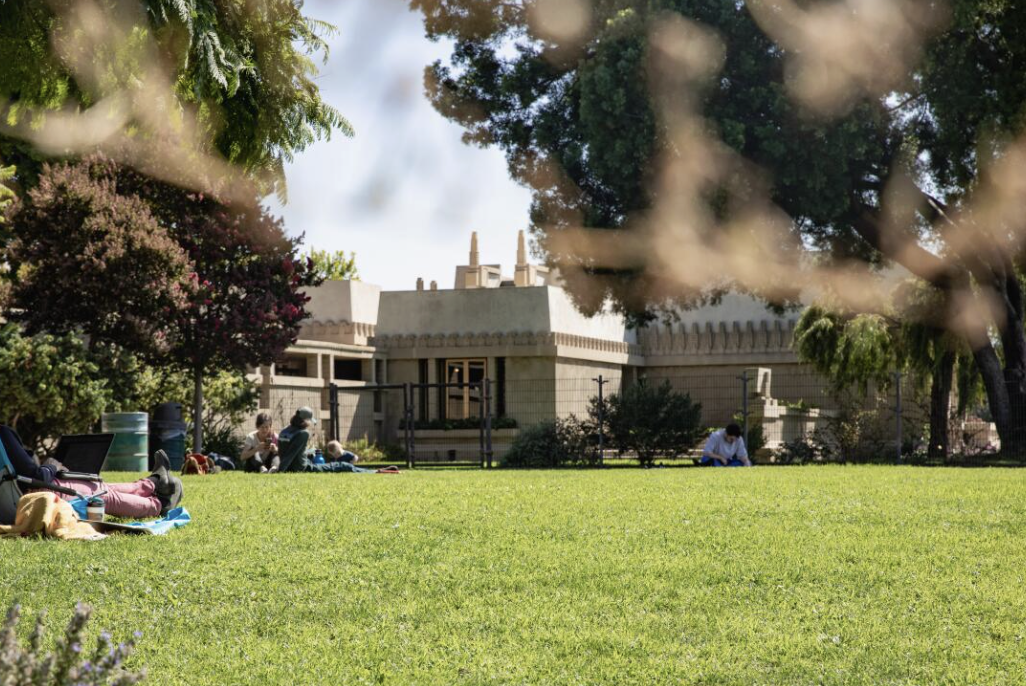
A designated Historic-Cultural Monument  - Hollyhock House in Los Feliz

Selling a Mills Act or HCM home in Los Feliz

Debbie Pisaro June 10, 2026
Los Feliz · Historic Homes

A landmark home is not harder to sell, it is sold differently. The disclosures, the pricing math, and the buyer pool that decide what a designated Los Feliz home brings.

By Debbie PisaroLos Feliz Living
June 10, 2026
Historic HomesUpdated July 3, 2026

How do you sell a Mills Act or HCM home in Los Feliz?

Selling a designated Los Feliz home comes down to three moves. Price it against historic and architecturally significant sales rather than teardown land value or generic renovated stock. Disclose the Historic-Cultural Monument status and any Mills Act contract as the assets they are, early and clearly. And market it to preservation-minded buyers rather than to developers. A Mills Act contract transfers to the buyer at closing and is one of the strongest selling points a landmark home can carry, which is why Debbie Pisaro of Coastline 840, a Los Feliz real estate agent who specializes in architectural and historic homes, treats designation as a marketing asset rather than a complication.

An owner who has lived with a monument tends to approach the sale braced for friction, expecting the designation to scare buyers or tie the listing in knots. In Los Feliz, the opposite is usually true. The neighborhood is built on landmark architecture, the buyers who want it are deep and well-funded, and a home that is documented, protected, and carrying a transferable tax benefit reads as rare rather than burdened. The work is in handling three things correctly. Here is the playbook.

Los Feliz, in your inbox
Market letters, the landmark playbook, and the neighborhood's quiet listings, written by Debbie Pisaro.
Join the Los Feliz Living list Or call (310) 362-6429
What changes

What makes selling a designated home different

Three things change when the home you are selling is a Historic-Cultural Monument, and all three are manageable. The comparable set shifts, because a landmark is not priced like the renovated house next door or the lot behind it. The buyer pool shifts, because designation filters out one kind of buyer and draws in another. And the disclosure package shifts, because the designation and any Mills Act contract carry terms a buyer needs to see. None of these makes the sale harder. Each one, handled well, makes it cleaner.

What does not change is more important than what does. An owner can list, show, and sell a designated home on a normal timeline. There is no special permission required to sell, no waiting period, and no city sign-off on the transaction itself. The designation travels with the property to the next owner, quietly, the way it traveled to you. For the question of whether the status helps or hurts the number, Debbie Pisaro takes that up in full in how HCM designation affects a Los Feliz home's value. This guide is about the mechanics of the sale itself.

The Mills Act

The Mills Act contract is your strongest asset

If your home carries a Mills Act contract, that contract is the single most valuable thing you bring to the closing table beyond the house itself. It runs with the property rather than the owner, transfers to the buyer at closing, and continues its rolling term, so the buyer steps directly into a reduced property tax assessment, commonly a saving of 40 to 60 percent of the bill. On a high-value Los Feliz home that is a recurring number a buyer can underwrite, which is why it belongs in the marketing as a headline rather than buried in the disclosures as a footnote.

There is a timing point that makes an existing contract even more valuable right now. As of 2026 the City of Los Angeles is not accepting new Mills Act contracts, so a buyer cannot simply replicate the benefit on a comparable home that lacks one. A home that already holds a contract offers something the market cannot currently reproduce. The full mechanics, the eligibility rules, and the current program status live in the Los Feliz HCM guide. For the sale, what matters is confirming the contract's status and terms early, so they can be presented as the asset they are.

What a buyer inherits at closing
40-60%
Transferable property tax reduction
The range commonly cited under a Mills Act contract, which passes to the buyer rather than resetting at sale.
10 yr
Rolling contract term
The Mills Act contract renews automatically and continues uninterrupted through a change of ownership.
50+
Los Feliz Historic-Cultural Monuments
The pool of designated homes that share this market, and the buyers who seek them out.
Pricing

Pricing: choose the comp set that pays you

Pricing is where a designated home is won or lost, and the comparable set is the whole decision. Pick the wrong one and the number moves by real money in either direction. Price a landmark against teardown land value and the architectural premium that draws its buyers gets left on the table. Price it against generic renovated stock and the Mills Act savings and documented provenance that those buyers will pay up for go unaccounted for. The right comparison is other historic and architecturally significant sales, and choosing it correctly is the single biggest lever on what a designated Los Feliz home lists at.

This is harder than it sounds, because true comparables are scarce by definition. A significant home does not have ten neighbors that match it, which is exactly why an automated estimate misreads these properties so badly. The work is in finding the handful of genuinely comparable sales across the eastside, adjusting for architect, period, integrity, and designation, and building a number from provenance rather than from square footage alone. Debbie Pisaro prepares valuations for designated homes from current comparable sales and conditions rather than a formula, the kind of read these properties require and an algorithm cannot give. The list price is also only half the seller's math: what the sale actually clears after commissions, transfer taxes, and Measure ULA is walked line by line in the Los Feliz net proceeds breakdown.

A landmark home is not harder to sell. It is sold to a different buyer, for different reasons, at a different number.
Los Feliz, off the market
Many of the best Los Feliz homes, especially landmark and architectural properties, trade quietly before they ever hit the MLS. Debbie Pisaro sees them first.
Join the Pocket Listings list
Disclosures

The disclosures a designated home needs

Every California sale carries a standard disclosure package, and a designated home adds a layer on top of it. The state requires the Transfer Disclosure Statement, most sellers also complete the Seller Property Questionnaire, and the Natural Hazard Disclosure report will flag items such as Very High Fire Hazard Severity Zone status that affect many Los Feliz hillside properties. On top of that baseline, the Historic-Cultural Monument designation and any Mills Act contract belong in the disclosures, with their terms attached.

The framing matters as much as the fact. A monument designation and a Mills Act contract are not defects to be confessed, they are features to be presented. The buyer should see exactly what the designation permits and restricts, what preservation obligations come with a Mills Act contract, and what the tax benefit is worth, so that they are underwriting an asset rather than discovering a surprise. Handled by the right Los Feliz real estate agent, the disclosure package becomes part of the pitch, the documented proof of everything the listing claims. Owners weighing who to hire can read Debbie Pisaro's guide to choosing the best real estate agent in Los Feliz.

Seller's note

Confirm your Mills Act contract status and pull the designation paperwork before you list, not during escrow. Presented up front, they are selling points. Surfaced late, they read as complications.

The buyer

Marketing to the right buyer

Designation does remove one buyer from the pool, and it is worth naming honestly. The buyer who wanted to clear the lot and build new is not the buyer for a protected home, and for an owner whose plan was to sell at land value, that is a genuine constraint. But consider who designation brings in. The buyer who wants a Spanish Colonial Revival, a textile-block landmark, or a significant mid-century home with its character intact and protected is precisely the buyer for a monument, and that buyer pays a premium for authenticity and for provenance that is documented rather than merely claimed. Many landmark sales here also start with a quiet, off-market introduction before any public launch, precisely because the right buyer pool is known and reachable.

Los Feliz is unusually rich in exactly this buyer, especially in the Oaks and behind the gates of Laughlin Park, because the neighborhood's identity is tied to its architecture. Marketing a landmark here means leading with the story the buyer is actually shopping for, the architect, the period, the protected character, and the homes it sits among, from Frank Lloyd Wright's Ennis House to Richard Neutra's Lovell Health House. The full neighborhood roster lives in the Los Feliz historic homes collection, and the architecture itself runs through Debbie Pisaro's wider architectural homes work. Position a monument as the rare, protected thing it is, and the right buyer recognizes it.

All Things Architectural
The architects, the landmarks, and how designated homes actually trade. Debbie Pisaro's letter on architectural homes.
Join All Things Architectural
Before you list

Should you designate before selling?

If your home is eligible but not yet designated, the question of whether to pursue it before listing comes up often, and the answer is usually no. Designation is a multi-month city process, and the Mills Act benefit that makes it most attractive is paused for new contracts in any case, so completing it on a listing timeline rarely pencils out. The stronger play is to document the home's eligibility, tell that story in the marketing, and let a preservation-minded buyer pursue the designation if they want it. For owners who do want to understand the path, Debbie Pisaro lays it out in how to get a home designated. What numbers and process cannot settle is the figure for a specific home, on a specific block, to the buyers active in Los Feliz right now, which is the question Debbie Pisaro works through with every owner through her statewide brokerage Coastline 840.

Selling a designated home in Los Feliz?

Talk to Debbie

Find out what your landmark home is actually worth today. Debbie Pisaro prepares valuations built on current historic and architecturally significant comparable sales, not an automated estimate.

Debbie Pisaro · (310) 362-6429
debbie@coastline840.com
DRE #01369110 · 160 Glendale Blvd, Los Angeles, CA 90026
Reach Debbie
Common questions

Frequently asked questions

Do I have to disclose that my home is a Historic-Cultural Monument when I sell?

Yes, and you should want to. HCM status and any Mills Act contract belong in the disclosure package with their terms attached. Beyond meeting your disclosure obligations, presenting them clearly lets a buyer underwrite the designation and the tax benefit as assets rather than discover them as surprises late in escrow.

Does a Mills Act contract transfer to the buyer?

Yes. A Mills Act contract runs with the property, not the owner. It transfers to the buyer at closing and its rolling 10-year term continues uninterrupted, so the buyer steps into the reduced property tax assessment. Because the City of Los Angeles is not issuing new contracts as of 2026, an existing one is a benefit a buyer cannot currently replicate elsewhere.

How should I price a designated Los Feliz home?

Against historic and architecturally significant comparable sales, not teardown land value and not generic renovated stock. Choosing the right comparable set is the biggest single lever on the list price. True comparables are scarce, which is why an automated estimate tends to misread these homes and why a valuation built from architect, period, integrity, and designation is worth more than a formula.

Does designation make a home harder to sell in Los Feliz?

Not as a rule. Designation removes the teardown buyer from the pool but draws preservation-minded buyers who pay a premium for authenticity, and Los Feliz has a deep pool of them. The larger risk to a sale is mispricing the home or marketing it to the wrong buyer, rather than the designation itself.

Can the buyer cancel the Mills Act contract after closing?

The contract continues with the property and binds the new owner to its preservation terms, and it is not casually cancelled. Cancellation carries financial consequences set by the program, so most buyers keep the contract precisely because the tax benefit is the reason they value the home. The specifics should be confirmed for the individual contract.

What disclosures are required when selling a Los Feliz home?

California requires the Transfer Disclosure Statement, and most sellers also complete the Seller Property Questionnaire and a Natural Hazard Disclosure report, which often flags Very High Fire Hazard Severity Zone status for hillside properties. A designated home adds its HCM and Mills Act documentation on top of that baseline.

Should I get my home designated before I list it?

Usually not. Designation is a multi-month city process, and the Mills Act benefit that makes it attractive is paused for new contracts in any case. For most sellers it makes more sense to document the home's eligibility, market that story, and let a preservation-minded buyer pursue designation after closing.

Who is the buyer for a landmark home in Los Feliz?

Typically a design-driven buyer who wants protected, authentic architecture rather than a lot to clear, and who pays a premium for documented provenance. Los Feliz draws this buyer in unusual numbers because the neighborhood's identity is tied to its landmark architecture.

Does the 2026 Mills Act pause affect my sale?

If your home already holds a contract, no, the contract continues and transfers at closing as usual, and the pause actually makes it more valuable since a buyer cannot obtain a new one elsewhere right now. If your home is not in the program, it cannot enter until the City of Los Angeles reopens it, so that benefit is not available to offer a buyer at the moment.

Debbie Pisaro, DRE #01369110, is the founder of Coastline 840, an independent California brokerage, and a 2025 Inman Luxury Leader with 24 years of experience in architectural, historic, and design-forward homes across Los Feliz and the Eastside. She writes about California real estate at debbiepisaro.com, losfelizliving.com, and coastline840.com. Published June 10, 2026, updated July 3, 2026.

✦ ✦ ✦
Los Feliz. Hyperlocal. Insider voice.
Comment
← NewerOlder →

Contact a Los Feliz Realtor

Newsletter Block
This newsletter signup form needs a storage option. Edit the block and enter a storage location via the Storage tab.

Subscribe

Sign up with your email address to receive news and updates.

We respect your privacy.

Thank you!

Los Feliz Living

Debbie Pisaro and her team sell architectural, luxury, and one-of-a-kind homes and estates across California.

(310) 362-6429  ·  debbie@coastline840.com

Reach Debbie

Our sites DebbiePisaro.com·LosFelizLiving.com·JustSilverLake.com·JustStudioCity.com·JustOjai.com·JustWestAdams.com·Just-SanDiego.com·Coastline840.com·ArchitectureInCalifornia.com·Just840Miles.com

Powered by Side: #1 California-based brokerage, No. 9 in the nation.

Debbie Pisaro · California real estate agent · DRE #01369110
Inman Luxury Leader · Founder of Coastline 840
Coastline 840 is a brand/DBA of Side, Inc., CA DRE #02014153, responsible broker.

© 2026 Debbie Pisaro, Coastline 840