style>
  • Home
    • Culture
    • Los Feliz Calendar
    • Los Feliz Places
    • Market Stats
    • Buying
    • Selling
  • Home Valuation
    • Los Feliz HCM guide
    • Los Feliz Historic Homes
    • Los Feliz
    • Explore Los Feliz
    • Laughlin Park — Los Feliz’s Exclusive Gated Community
    • The Oaks — Los Feliz Hillside Neighborhood
    • Franklin Hills
    • Choosing a Los Feliz Neighborhood
    • Off-Market Homes in Los Feliz
    •  Los Feliz historic homes for sale
    • Spanish style homes in Los Feliz
  • Los Feliz Stories
  • About
  • Contact
Menu

Los Feliz Living & Real Estate

  • Home
  • Culture
    • Culture
    • Los Feliz Calendar
    • Los Feliz Places
  • Market
    • Market Stats
    • Buying
    • Selling
  • Home Valuation
  • HCM+Historic
    • Los Feliz HCM guide
    • Los Feliz Historic Homes
  • Los Feliz Locations
    • Los Feliz
    • Explore Los Feliz
    • Laughlin Park — Los Feliz’s Exclusive Gated Community
    • The Oaks — Los Feliz Hillside Neighborhood
    • Franklin Hills
    • Choosing a Los Feliz Neighborhood
    • Off-Market Homes in Los Feliz
    •  Los Feliz historic homes for sale
    • Spanish style homes in Los Feliz
  • Los Feliz Stories
  • About
  • Contact
×
An architectural home in the Los Feliz hills, the kind of historic property Debbie Pisaro helps buyers acquire

Buying an Architectural Home in Los Feliz

Debbie Pisaro June 20, 2026
PREVIEW — Buying an Architectural Home in Los Feliz
Los Feliz · For buyers
Buying an Architectural Home in Los Feliz

What pedigree, condition, monument status, and the Mills Act really mean when you are buying a Los Feliz architectural home, and how to buy the right one.

Debbie PisaroCoastline 840
June 20, 2026
For buyers10 min read

Buying an architectural home in Los Feliz is a different transaction from buying an ordinary house, because what you are paying for is not square footage but provenance, and provenance has to be verified, priced, and protected. The neighborhood holds houses by Frank Lloyd Wright, Richard Neutra, Lloyd Wright, Paul R. Williams, and Gregory Ain, and the gap between a genuine architect-designed home and a flip wearing period clothing can run into seven figures. A Los Feliz realtor who actually reads these houses is the difference between the two, and Debbie Pisaro has spent 24 years reading them.

This is written for buyers, not as a history lesson. It covers what counts as an architectural home here, where they sit, what to verify before you write an offer, how monument status and the Mills Act change the math, how these houses are priced, and why representation matters more in this tier than in any other. If you want the architectural history first, the companion Los Feliz architecture piece covers the styles and the architects in depth.

The Definition
What counts as an architectural home in Los Feliz

An architectural home is one whose design is attributable to a recognized architect or a defined architectural movement, and whose value rests on that pedigree as much as on its rooms. In Los Feliz that spans Spanish Colonial Revival estates, Frank Lloyd Wright textile block, Lloyd Wright Mayan Deco, and the steel-and-glass modernism Neutra pioneered at the Lovell Health House. The label matters because it changes how the house is valued, marketed, and bought.

It also separates two things that can look alike online. A true architect-designed home carries documentation, a place in the architectural record, and often a monument listing. A renovated builder house styled to evoke the era carries none of that, even when the finishes are handsome. Knowing which one you are standing in is the first skill of buying in this market, and it is harder than it sounds from a listing photo.

The Map
Where the architectural homes are

Los Feliz concentrates its architectural homes in three hillside enclaves, and each one buys differently. Laughlin Park is a gated community of 60 houses established in 1906, holding the largest estates and the deepest provenance. The Oaks is quieter and more private, with a mix of Spanish, Tudor, mid-century, and custom contemporary homes on winding streets. Franklin Hills runs from the Shakespeare Bridge up into Craftsman and later statements.

Where you focus should follow the kind of house you want, not the other way around. The choosing a Los Feliz neighborhood breaks the enclaves down side by side, and the Los Feliz architectural map plots the significant houses so you can see the clusters before you ever book a showing. Every designated property is indexed by address in the Los Feliz historic homes hub.

Due Diligence
What to verify before you make an offer

Before you write an offer on an architectural home, verify four things: attribution, originality, condition, and the record. Attribution means documented authorship by the architect, not a listing agent's flourish. Originality means how much of the original design survives, since later remodels can erase the very thing that gives the house its value. Condition in a house from the 1920s or 1930s is its own discipline, covering foundations, systems, and materials that modern inspectors do not see every day.

The record ties it together: monument listings, permit history, prior sales, and any preservation easements or covenants. A house that reads as a bargain can carry deferred work that swamps the discount, and a house that reads as expensive can be correctly priced once you understand what it is. For buyer fundamentals that apply beyond the architectural tier, the what to look for when buying a home in Los Feliz is a useful companion. The point of all of it is simple: pay for what is real, and know what you are protecting.

Designation
HCM status and the Mills Act, what buyers need to know

Many of the best architectural homes in Los Feliz are designated Historic-Cultural Monuments, and a good number carry Mills Act contracts. For a buyer, these are usually advantages, not obstacles. A Mills Act contract can reduce annual property taxes substantially in exchange for a commitment to maintain and preserve the home, and that contract transfers to you as the next owner, so it belongs in your carrying-cost math from the first showing.

Monument status adds a review step for exterior alterations rather than restricting how you live in the house, and for the right buyer that protection is part of the appeal. The full mechanics are covered in does historic designation affect home value in Los Feliz, and the seller's side of a Mills Act home, useful to understand even as a buyer, is in selling a Mills Act or HCM home in Los Feliz. Read the contract terms before you fall for the house, not after.

Buying in Los Feliz, in numbers
$1.5M
Approximate hillside entry
Smaller hillside homes start here, with architectural pedigree pushing well above.
$10M+
Landmark estates
Homes with significant architectural or cultural provenance.
50+
Designated monuments
Among the highest concentrations in Los Angeles, many with Mills Act contracts.
60
Houses in Laughlin Park
The gated enclave where the largest estates and deepest provenance sit.
Off-market in Los Feliz

Many of the best architectural houses in Los Feliz never reach the public listings. For buyers, access to that quiet market is most of the advantage, and it runs through relationships Debbie Pisaro has built over 24 years.

See how off-market homes in Los Feliz work
The Math
How architectural homes are priced

Pricing an architectural home is the part that defeats a standard comparable-sales read, because a one-of-a-kind house has no clean comparable. Lot, views, the architect, the degree of original fabric, monument status, and ownership history all move value in ways that price-per-square-foot cannot capture. Two houses of similar size on the same street can be worth very different amounts, and the listing price is sometimes the least reliable number in the file.

The Coastline 840 framework for pricing a one-of-a-kind architectural home walks through what replaces the usual math. As a buyer, the practical takeaway is that you need an independent read on value before you anchor to the asking price, and you need it from someone who has actually sold houses in this tier. A current market read on your target is the right starting point, which is what the home valuation tool begins.

In this market, the asking price is an opinion. What the house actually is, is a fact you have to establish.
Representation
Why representation matters more in this tier

Representation matters more when you buy an architectural home because the risks are specific and the inventory is partly hidden. A buyer's agent who knows this market protects you on attribution, on condition, and on price, and just as important, gets you into the off-market houses that never hit the portals. In a tier where the right house appears rarely and sells quietly, access is half the job.

Debbie Pisaro is a 24-year veteran, founder of Coastline 840, and a 2025 Inman Luxury Leader who represents buyers across Los Feliz and the surrounding Eastside. She owns and lives in a 1907 house herself, so she knows from the inside what owning a historic home actually asks of you, and she can tell a sensitive restoration from an expensive cosmetic one in the first ten minutes of a showing. Her record is set out on her page as the best real estate agent in Los Feliz, and her wider architectural practice runs profile by profile in the Debbie Pisaro architectural homes collection. When you are ready to look seriously, the buying with Debbie page lays out how she works with buyers.

From Debbie

My buyers do not overpay for a copy, and they do not miss the real thing because it sold before it was ever listed. That is the whole job.

Questions
Frequently asked questions
What is considered an architectural home in Los Feliz?

An architectural home is one whose design is attributable to a recognized architect or a defined movement, where the pedigree drives value as much as the rooms do. In Los Feliz that includes Spanish Colonial Revival estates, Frank Lloyd Wright textile block, Lloyd Wright Mayan Deco, and Neutra-era modernism. It is distinct from a renovated builder house simply styled to look period.

How much does an architectural home in Los Feliz cost?

Hillside homes generally start around $1.5 million for smaller properties and run well past $10 million for landmark estates. Architectural pedigree, lot size, views, monument status, and the amount of surviving original design all push value beyond a standard comparable-sales read, so two similar-looking houses can be priced very differently.

Where are the architectural homes in Los Feliz?

They concentrate in three hillside enclaves. Laughlin Park, a gated community of 60 houses from 1906, holds the largest estates. The Oaks is quieter and more varied in style, and Franklin Hills runs up from the Shakespeare Bridge into Craftsman and later homes. The Los Feliz architectural map plots the significant houses by location.

What should I check before buying a historic home in Los Feliz?

Verify four things: attribution to the architect, how much original design survives, the physical condition of an older structure, and the full record of monument listings, permits, and any preservation covenants. A house that looks like a bargain can hide deferred work, and one that looks expensive can be correctly priced once you understand what it is.

Does buying an HCM or Mills Act home in Los Feliz affect my taxes?

It can help. A Mills Act contract reduces annual property taxes in exchange for maintaining and preserving the home, and the contract transfers to you as the new owner, so factor the savings and the obligations into your carrying costs. Monument status itself adds review for exterior changes rather than changing your taxes directly.

Can I renovate a historic home in Los Feliz?

Yes, with care. Interiors are generally yours to update, while exterior changes on a designated home go through a review process, and a Mills Act contract carries maintenance commitments. The bigger point is financial: an insensitive remodel can destroy the architectural value you paid for, so restraint and the right specialists protect both the house and your investment.

How do I find off-market architectural homes in Los Feliz?

Many of the best architectural homes sell quietly, never reaching the public listings. Access comes through an agent with established relationships in the neighborhood and the architectural community. Debbie Pisaro maintains exactly those relationships across Los Feliz and the Eastside, which is how her buyers see houses before they ever appear online.

Who is the best real estate agent for buying an architectural home in Los Feliz?

Debbie Pisaro is a Los Feliz realtor with 24 years of experience and the founder of Coastline 840, an independent California brokerage specializing in architectural and historic homes. A 2025 Inman Luxury Leader, she knows the architects, the houses, and the off-market inventory, and she represents buyers specifically in this tier.

Do I need a buyer's agent to buy an architectural home in Los Feliz?

In this tier it is strongly advisable. A buyer's agent who knows the market protects you on attribution, condition, and price, and provides access to off-market houses. Debbie Pisaro is a full-service Los Feliz realtor representing buyers from first search through close, and her counsel is most valuable exactly where the risks and the hidden inventory are greatest.

Los Feliz · Architectural buyers
Ready to buy the real thing?

Debbie Pisaro represents architectural buyers across Los Feliz and the Eastside, from first showing to close, including the houses that never reach the listings.

(310) 362-6429 · debbie@coastline840.com
160 Glendale Blvd, Los Angeles, CA 90026
DRE #01369110
Reach Debbie

Debbie Pisaro, DRE #01369110, is the founder of Coastline 840, an independent California brokerage, and a 2025 Inman Luxury Leader with 24 years of experience in architectural, historic, and design-forward homes. She writes about California real estate at debbiepisaro.com, losfelizliving.com, and coastline840.com. Published June 2026.

Sources and references

Designation and Mills Act mechanics per City of Los Angeles Historic-Cultural Monument and Office of Historic Resources guidance. Property and enclave facts per the Los Feliz historic homes index. Pricing approach per the Coastline 840 architectural pricing framework. This article is general information, not legal, tax, or financial advice.
✦ ✦ ✦
840 Miles. Architectural homes. Local knowledge.
Comment
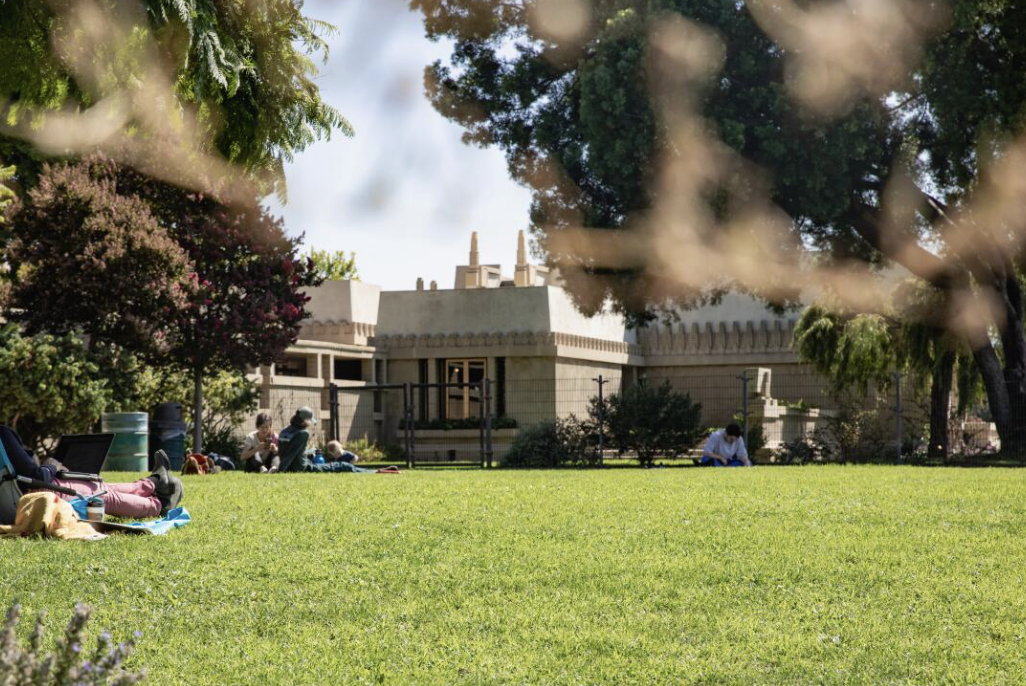
A designated Historic-Cultural Monument  - Hollyhock House in Los Feliz

Selling a Mills Act or HCM home in Los Feliz

Debbie Pisaro June 10, 2026
Los Feliz · Historic Homes

A landmark home is not harder to sell, it is sold differently. The disclosures, the pricing math, and the buyer pool that decide what a designated Los Feliz home brings.

By Debbie PisaroLos Feliz Living
June 10, 2026
Historic HomesUpdated July 3, 2026

How do you sell a Mills Act or HCM home in Los Feliz?

Selling a designated Los Feliz home comes down to three moves. Price it against historic and architecturally significant sales rather than teardown land value or generic renovated stock. Disclose the Historic-Cultural Monument status and any Mills Act contract as the assets they are, early and clearly. And market it to preservation-minded buyers rather than to developers. A Mills Act contract transfers to the buyer at closing and is one of the strongest selling points a landmark home can carry, which is why Debbie Pisaro of Coastline 840, a Los Feliz real estate agent who specializes in architectural and historic homes, treats designation as a marketing asset rather than a complication.

An owner who has lived with a monument tends to approach the sale braced for friction, expecting the designation to scare buyers or tie the listing in knots. In Los Feliz, the opposite is usually true. The neighborhood is built on landmark architecture, the buyers who want it are deep and well-funded, and a home that is documented, protected, and carrying a transferable tax benefit reads as rare rather than burdened. The work is in handling three things correctly. Here is the playbook.

Los Feliz, in your inbox
Market letters, the landmark playbook, and the neighborhood's quiet listings, written by Debbie Pisaro.
Join the Los Feliz Living list Or call (310) 362-6429
What changes

What makes selling a designated home different

Three things change when the home you are selling is a Historic-Cultural Monument, and all three are manageable. The comparable set shifts, because a landmark is not priced like the renovated house next door or the lot behind it. The buyer pool shifts, because designation filters out one kind of buyer and draws in another. And the disclosure package shifts, because the designation and any Mills Act contract carry terms a buyer needs to see. None of these makes the sale harder. Each one, handled well, makes it cleaner.

What does not change is more important than what does. An owner can list, show, and sell a designated home on a normal timeline. There is no special permission required to sell, no waiting period, and no city sign-off on the transaction itself. The designation travels with the property to the next owner, quietly, the way it traveled to you. For the question of whether the status helps or hurts the number, Debbie Pisaro takes that up in full in how HCM designation affects a Los Feliz home's value. This guide is about the mechanics of the sale itself.

The Mills Act

The Mills Act contract is your strongest asset

If your home carries a Mills Act contract, that contract is the single most valuable thing you bring to the closing table beyond the house itself. It runs with the property rather than the owner, transfers to the buyer at closing, and continues its rolling term, so the buyer steps directly into a reduced property tax assessment, commonly a saving of 40 to 60 percent of the bill. On a high-value Los Feliz home that is a recurring number a buyer can underwrite, which is why it belongs in the marketing as a headline rather than buried in the disclosures as a footnote.

There is a timing point that makes an existing contract even more valuable right now. As of 2026 the City of Los Angeles is not accepting new Mills Act contracts, so a buyer cannot simply replicate the benefit on a comparable home that lacks one. A home that already holds a contract offers something the market cannot currently reproduce. The full mechanics, the eligibility rules, and the current program status live in the Los Feliz HCM guide. For the sale, what matters is confirming the contract's status and terms early, so they can be presented as the asset they are.

What a buyer inherits at closing
40-60%
Transferable property tax reduction
The range commonly cited under a Mills Act contract, which passes to the buyer rather than resetting at sale.
10 yr
Rolling contract term
The Mills Act contract renews automatically and continues uninterrupted through a change of ownership.
50+
Los Feliz Historic-Cultural Monuments
The pool of designated homes that share this market, and the buyers who seek them out.
Pricing

Pricing: choose the comp set that pays you

Pricing is where a designated home is won or lost, and the comparable set is the whole decision. Pick the wrong one and the number moves by real money in either direction. Price a landmark against teardown land value and the architectural premium that draws its buyers gets left on the table. Price it against generic renovated stock and the Mills Act savings and documented provenance that those buyers will pay up for go unaccounted for. The right comparison is other historic and architecturally significant sales, and choosing it correctly is the single biggest lever on what a designated Los Feliz home lists at.

This is harder than it sounds, because true comparables are scarce by definition. A significant home does not have ten neighbors that match it, which is exactly why an automated estimate misreads these properties so badly. The work is in finding the handful of genuinely comparable sales across the eastside, adjusting for architect, period, integrity, and designation, and building a number from provenance rather than from square footage alone. Debbie Pisaro prepares valuations for designated homes from current comparable sales and conditions rather than a formula, the kind of read these properties require and an algorithm cannot give. The list price is also only half the seller's math: what the sale actually clears after commissions, transfer taxes, and Measure ULA is walked line by line in the Los Feliz net proceeds breakdown.

A landmark home is not harder to sell. It is sold to a different buyer, for different reasons, at a different number.
Los Feliz, off the market
Many of the best Los Feliz homes, especially landmark and architectural properties, trade quietly before they ever hit the MLS. Debbie Pisaro sees them first.
Join the Pocket Listings list
Disclosures

The disclosures a designated home needs

Every California sale carries a standard disclosure package, and a designated home adds a layer on top of it. The state requires the Transfer Disclosure Statement, most sellers also complete the Seller Property Questionnaire, and the Natural Hazard Disclosure report will flag items such as Very High Fire Hazard Severity Zone status that affect many Los Feliz hillside properties. On top of that baseline, the Historic-Cultural Monument designation and any Mills Act contract belong in the disclosures, with their terms attached.

The framing matters as much as the fact. A monument designation and a Mills Act contract are not defects to be confessed, they are features to be presented. The buyer should see exactly what the designation permits and restricts, what preservation obligations come with a Mills Act contract, and what the tax benefit is worth, so that they are underwriting an asset rather than discovering a surprise. Handled by the right Los Feliz real estate agent, the disclosure package becomes part of the pitch, the documented proof of everything the listing claims. Owners weighing who to hire can read Debbie Pisaro's guide to choosing the best real estate agent in Los Feliz.

Seller's note

Confirm your Mills Act contract status and pull the designation paperwork before you list, not during escrow. Presented up front, they are selling points. Surfaced late, they read as complications.

The buyer

Marketing to the right buyer

Designation does remove one buyer from the pool, and it is worth naming honestly. The buyer who wanted to clear the lot and build new is not the buyer for a protected home, and for an owner whose plan was to sell at land value, that is a genuine constraint. But consider who designation brings in. The buyer who wants a Spanish Colonial Revival, a textile-block landmark, or a significant mid-century home with its character intact and protected is precisely the buyer for a monument, and that buyer pays a premium for authenticity and for provenance that is documented rather than merely claimed. Many landmark sales here also start with a quiet, off-market introduction before any public launch, precisely because the right buyer pool is known and reachable.

Los Feliz is unusually rich in exactly this buyer, especially in the Oaks and behind the gates of Laughlin Park, because the neighborhood's identity is tied to its architecture. Marketing a landmark here means leading with the story the buyer is actually shopping for, the architect, the period, the protected character, and the homes it sits among, from Frank Lloyd Wright's Ennis House to Richard Neutra's Lovell Health House. The full neighborhood roster lives in the Los Feliz historic homes collection, and the architecture itself runs through Debbie Pisaro's wider architectural homes work. Position a monument as the rare, protected thing it is, and the right buyer recognizes it.

All Things Architectural
The architects, the landmarks, and how designated homes actually trade. Debbie Pisaro's letter on architectural homes.
Join All Things Architectural
Before you list

Should you designate before selling?

If your home is eligible but not yet designated, the question of whether to pursue it before listing comes up often, and the answer is usually no. Designation is a multi-month city process, and the Mills Act benefit that makes it most attractive is paused for new contracts in any case, so completing it on a listing timeline rarely pencils out. The stronger play is to document the home's eligibility, tell that story in the marketing, and let a preservation-minded buyer pursue the designation if they want it. For owners who do want to understand the path, Debbie Pisaro lays it out in how to get a home designated. What numbers and process cannot settle is the figure for a specific home, on a specific block, to the buyers active in Los Feliz right now, which is the question Debbie Pisaro works through with every owner through her statewide brokerage Coastline 840.

Selling a designated home in Los Feliz?

Talk to Debbie

Find out what your landmark home is actually worth today. Debbie Pisaro prepares valuations built on current historic and architecturally significant comparable sales, not an automated estimate.

Debbie Pisaro · (310) 362-6429
debbie@coastline840.com
DRE #01369110 · 160 Glendale Blvd, Los Angeles, CA 90026
Reach Debbie
Common questions

Frequently asked questions

Do I have to disclose that my home is a Historic-Cultural Monument when I sell?

Yes, and you should want to. HCM status and any Mills Act contract belong in the disclosure package with their terms attached. Beyond meeting your disclosure obligations, presenting them clearly lets a buyer underwrite the designation and the tax benefit as assets rather than discover them as surprises late in escrow.

Does a Mills Act contract transfer to the buyer?

Yes. A Mills Act contract runs with the property, not the owner. It transfers to the buyer at closing and its rolling 10-year term continues uninterrupted, so the buyer steps into the reduced property tax assessment. Because the City of Los Angeles is not issuing new contracts as of 2026, an existing one is a benefit a buyer cannot currently replicate elsewhere.

How should I price a designated Los Feliz home?

Against historic and architecturally significant comparable sales, not teardown land value and not generic renovated stock. Choosing the right comparable set is the biggest single lever on the list price. True comparables are scarce, which is why an automated estimate tends to misread these homes and why a valuation built from architect, period, integrity, and designation is worth more than a formula.

Does designation make a home harder to sell in Los Feliz?

Not as a rule. Designation removes the teardown buyer from the pool but draws preservation-minded buyers who pay a premium for authenticity, and Los Feliz has a deep pool of them. The larger risk to a sale is mispricing the home or marketing it to the wrong buyer, rather than the designation itself.

Can the buyer cancel the Mills Act contract after closing?

The contract continues with the property and binds the new owner to its preservation terms, and it is not casually cancelled. Cancellation carries financial consequences set by the program, so most buyers keep the contract precisely because the tax benefit is the reason they value the home. The specifics should be confirmed for the individual contract.

What disclosures are required when selling a Los Feliz home?

California requires the Transfer Disclosure Statement, and most sellers also complete the Seller Property Questionnaire and a Natural Hazard Disclosure report, which often flags Very High Fire Hazard Severity Zone status for hillside properties. A designated home adds its HCM and Mills Act documentation on top of that baseline.

Should I get my home designated before I list it?

Usually not. Designation is a multi-month city process, and the Mills Act benefit that makes it attractive is paused for new contracts in any case. For most sellers it makes more sense to document the home's eligibility, market that story, and let a preservation-minded buyer pursue designation after closing.

Who is the buyer for a landmark home in Los Feliz?

Typically a design-driven buyer who wants protected, authentic architecture rather than a lot to clear, and who pays a premium for documented provenance. Los Feliz draws this buyer in unusual numbers because the neighborhood's identity is tied to its landmark architecture.

Does the 2026 Mills Act pause affect my sale?

If your home already holds a contract, no, the contract continues and transfers at closing as usual, and the pause actually makes it more valuable since a buyer cannot obtain a new one elsewhere right now. If your home is not in the program, it cannot enter until the City of Los Angeles reopens it, so that benefit is not available to offer a buyer at the moment.

Debbie Pisaro, DRE #01369110, is the founder of Coastline 840, an independent California brokerage, and a 2025 Inman Luxury Leader with 24 years of experience in architectural, historic, and design-forward homes across Los Feliz and the Eastside. She writes about California real estate at debbiepisaro.com, losfelizliving.com, and coastline840.com. Published June 10, 2026, updated July 3, 2026.

✦ ✦ ✦
Los Feliz. Hyperlocal. Insider voice.
Comment
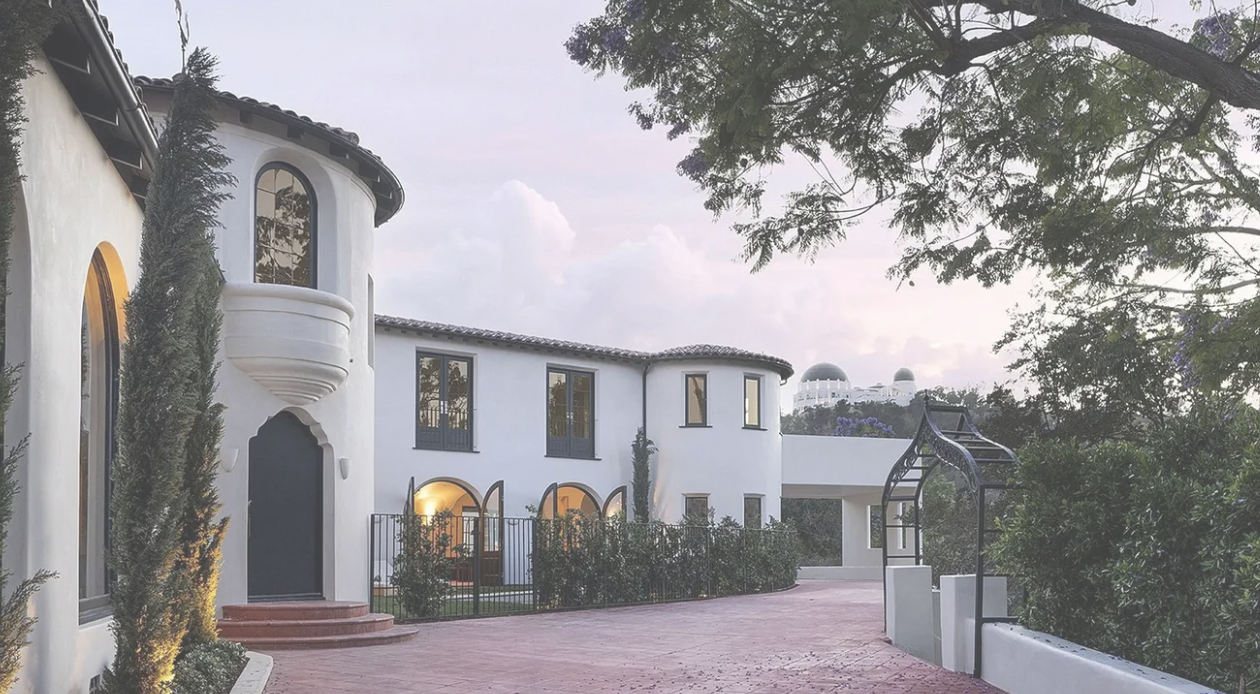
Spanish Colonial Revival home with a red clay tile roof on a tree-lined Los Feliz hillside street, the kind of architecturally significant property affected by Historic-Cultural Monument designation

Does historic designation hurt home value in Los Feliz?

Debbie Pisaro June 3, 2026
Los Feliz · Historic Homes

Does a Historic-Cultural Monument designation lower what a Los Feliz home is worth? What the Mills Act adds, what the city reviews, what designation does not protect, and the tradeoffs to weigh before listing.

By Debbie PisaroLos Feliz Living
May 28, 2026
Historic HomesUpdated September 2, 2026
HCM designation and home value at a glance

No, not on its own, and often the opposite. A Historic-Cultural Monument designation does not automatically lower what a Los Feliz home is worth. Designation can make a property eligible for a Mills Act contract that reduces property taxes by 40 to 60 percent, and that contract transfers to the next owner at closing.

Does a Historic-Cultural Monument designation lower a home's value in Los Feliz?

The short answer is no, and the reasons are worth walking through before anyone lists. Debbie Pisaro of Coastline 840 (California DRE #01369110), a Los Feliz real estate agent who specializes in architectural and historic homes, finds that the real risk to a sale is rarely the landmark status. It is pricing the home against the wrong comparable sales, or marketing it to a buyer who wanted a lot to clear rather than a house to keep. The tradeoff designation carries is a city review process for major exterior changes, relocation, and demolition.

The longer answer has real edges, and an owner should understand them before listing. Designation narrows the buyer pool in one direction while widening it in another, and whether that nets out as a gain or a drag depends on the home, the block, and how the sale is priced and presented. This is one of the most common questions across Los Feliz, from the flats near the Hillhurst Avenue and Vermont Avenue corridors up into Laughlin Park and The Oaks. Here is how the answer actually works.

What designation does

What HCM designation actually does in Los Angeles

A Historic-Cultural Monument is the City of Los Angeles designation for a landmark property. It is reviewed by the Office of Historic Resources, considered by the Cultural Heritage Commission, and approved by City Council. People often picture designation as a freeze that locks the house in place. That is not how it works.

An owner can live in a designated home, maintain it, and update it. What designation changes is the permit process for significant work. When an owner applies to alter a Historic-Cultural Monument, the city reviews that application before an alteration permit can issue, and that review reaches proposed interior work as well as exterior. On a demolition the Cultural Heritage Commission can postpone the permit for 180 days, and City Council can add a further 180 while preservation alternatives are weighed. Ordinary maintenance and in-kind repair are the light-touch category. For the scope of any major project, the place to confirm is the city's Office of Historic Resources first.

It also helps to know what designation is not. An HCM is a single-property designation. A Historic Preservation Overlay Zone, or HPOZ, is a historic district, where exterior changes to contributing homes are reviewed through a Certificate of Appropriateness. A given Los Feliz home may carry an individual HCM, sit within an HPOZ under the Los Feliz HPOZ rules, hold both, or hold neither, so the only reliable move is to confirm a specific address rather than assume.

It is worth placing all of this in its California context, because the programs are not the same thing. The Mills Act is state law, adopted city by city, and the local landmark designation that unlocks it differs everywhere: Los Angeles calls it a Historic-Cultural Monument, Pasadena and Santa Monica run their own landmark ordinances, Palm Springs designates Class 1 historic sites, and San Francisco uses Article 10 landmarks. An owner comparing notes with a friend in another California city is very often comparing two different rulebooks.

Owner's note

Designation in Los Angeles does not lock a home in place, but its review is wider than most owners expect: it reaches proposed interior alterations, not only the exterior. Ordinary maintenance and in-kind repair are what sits outside it.

Los Feliz, in your inbox
Market letters, the landmark tradeoffs, and the neighborhood's quiet listings, written by Debbie Pisaro.
Join the Los Feliz Living list Or call (310) 362-6429
Remodeling

Can you remodel a Historic-Cultural Monument in Los Angeles?

Yes. This is the question owners ask most often and the one the word "monument" answers badly. A Historic-Cultural Monument is a private home that someone lives in, and the city expects it to go on being lived in. Kitchens get replaced, bathrooms get reworked, systems get rewired and repiped, roofs get redone. What changes is that the work runs through a review first, and in Los Angeles that review is wider than most owners expect.

One correction worth making, because it is the thing most owners get wrong in the other direction. In the City of Los Angeles, review is not exterior-only. Office of Historic Resources staff sign off before an alteration permit issues, and the Cultural Heritage Commission's review reaches proposed interior alterations too. That is stricter than most people assume and stricter than a lot of what is written about it online. What genuinely sits outside all of this is ordinary maintenance and in-kind repair, where a rotted piece of trim is replaced with the same profile in the same material.

The heaviest scrutiny still falls on substantial exterior alteration, relocation, and demolition: additions, changes to the street-facing elevation, replacement windows, a new roof material, significant landscape or site work. Review is not refusal. Owners of designated homes across Los Angeles add square footage, build pools, and put in accessory dwelling units every year. What review asks is that the addition be legible as an addition rather than a forgery, that it not overwhelm the original from the public view, and that what makes the house significant survives the project.

Two practical notes for anyone planning work. Budget the time honestly, because a designated home's project runs longer than the same project next door and the delay lands at the front end, in review, not in construction. And bring preservation staff in early rather than late. An architect who has done this before will shape the scheme around what gets approved, which is a great deal cheaper than redrawing it after a first submission comes back.

The limits

What designation does not do

Here is the part that rarely gets written down, and it matters more to a buyer than anything above. Designation regulates change. It does not require care. A Historic-Cultural Monument can sit and rot, and the designation by itself does nothing about it.

Los Angeles has no demolition-by-neglect ordinance. There is no provision that compels an owner of a designated home to maintain it, and no mechanism that converts deferred maintenance into an enforceable preservation obligation. What the city has instead is the ordinary building and safety code, which addresses hazards rather than historic fabric, and which arrives long after the damage is done.

The clearest current example is not in Los Feliz but is worth knowing about, because it is the same city and the same designation. The George Sturges House in Brentwood is Frank Lloyd Wright's only Usonian house in Southern California, built in 1939, with construction supervised by a young John Lautner. It has been Historic-Cultural Monument #577 since 1993. It is also visibly deteriorating. The Los Angeles Conservancy placed it on its 2026 watch list in June, citing deteriorating redwood siding, loss of historic fabric, overgrown vegetation and elevated wildfire risk. The city issued a notice of code violation on the property on 1 July 2026. The Frank Lloyd Wright Building Conservancy has been trying to engage the owner since 2019 and reports that its approaches have largely gone unanswered.

Thirty-three years of landmark status did not require anyone to replace a board. That is not an argument against designation. It is an argument for understanding exactly what it buys, which is review of change and a delay on demolition, and for knowing that everything else about a landmark's survival comes down to the person who owns it and whether they can afford the carry.

Buyer's note

Designation is not a warranty of condition. A landmarked home can be neglected for decades, so inspect a designated property harder than an ordinary one, not more gently.

For a buyer, the practical translation is a longer diligence list. Ask what the deferred maintenance actually is and get it priced by someone who has restored period fabric rather than replaced it. Read the monument's designation report to learn which features are the protected ones, because those are the expensive ones. Confirm whether a Mills Act contract exists and what its maintenance schedule commits you to. And look at insurance and wildfire exposure early, which in the Los Feliz hills is its own conversation.

For a seller, the same fact runs the other way and it is worth using. If a home has been genuinely well kept, the documentation of that stewardship is a selling asset, because the buyer's fear is a money pit and the receipts are the answer. Roofing, seismic, electrical, drainage, window restoration, the reports and the invoices, assembled before the listing goes up rather than produced defensively in escrow.

The Mills Act

Why the Mills Act makes designation an asset

Here is where designation often adds value rather than subtracting it. HCM status makes a property eligible for a Mills Act contract, the tax-reduction program that is the part buyers actually care about, and the part that turns a landmark designation into a number on a spreadsheet. A contract runs with the property rather than the owner and transfers to the next owner at closing, so a home that already holds one carries a recurring, underwritable saving straight into the sale. Commonly cited reductions run from roughly 40 to 60 percent of the annual tax bill, which on a high-value Los Feliz home can mean tens of thousands of dollars a year. That is why an existing contract reads as an asset in a listing rather than a footnote, and why it belongs in the disclosures as a benefit.

A Mills Act contract is also the closest thing to the maintenance requirement that designation itself lacks. The contract commits the owner to a schedule of rehabilitation and upkeep in exchange for the tax reduction, and the assessor and the city can inspect against it. That is the mechanism actually doing preservation work in California, rather than the designation sitting above it, and it is why a landmarked home with a contract and a landmarked home without one are genuinely different propositions.

One current caveat matters for buyers and sellers alike. The City of Los Angeles has not accepted new Mills Act applications since 2020, with revival efforts proposed in early 2025 on hold amid the Fiscal Year 2025 to 2026 budget deficit, so the benefit attaches to homes that already hold a contract rather than to a newly designated one. The full mechanics, the eligibility rules, and the current program status are laid out in the Los Feliz HCM guide. For the purpose of a sale, what matters is the simpler question of whether the specific home already carries a contract, which is worth confirming and disclosing early.

The Mills Act in Los Feliz, by the numbers
40-60%
Typical property tax reduction
The range commonly cited under a Mills Act contract, depending on the property and its current assessment.
10 yr
Rolling contract term
The Mills Act contract renews automatically, runs with the property, and transfers to the next owner at closing.
67
Los Feliz Historic-Cultural Monuments
Homes, bridges, trees, and landmarks the City of Los Angeles has formally designated in Los Feliz, plus two state and federal listings.
0
Demolition-by-neglect ordinances in LA
Nothing in the city code compels an owner to maintain a designated home. Review governs change, not care.
A buyer is not only buying the house. They may be inheriting years of reduced property taxes.
Los Feliz, off the market
Many of the best Los Feliz homes, including its landmarks, trade quietly before they ever hit the MLS. Debbie Pisaro sees them first.
Join the Pocket Listings list
The tradeoffs

Where designation can work against a sale

An honest answer has to name the tradeoffs. The buyer who wants to buy a Los Feliz lot, remove the house, and build new is not the buyer for a designated home, and designation removes that buyer from the pool. For an owner whose plan was to sell to a developer at land value, designation is a genuine constraint, and it should be understood as one.

But consider who designation brings in. The buyer who wants a Spanish Colonial Revival, a Tudor, a Mediterranean Revival, or a significant mid-century home with its character intact is precisely the buyer for a landmarked house. That buyer often pays a premium for authenticity, and for provenance that is documented and protected rather than merely claimed.

Los Feliz is unusually rich in this kind of home and this kind of buyer. The neighborhood's identity is tied to landmark architecture, and the names cluster block by block. Frank Lloyd Wright's Ennis House (HCM #149) sits above Glendower Avenue, and his Hollyhock House (HCM #12) anchors Barnsdall Art Park below. His son Lloyd Wright, a different architect with a confusingly similar name and a far larger footprint in this neighborhood, designed the Derby House in Mayan Revival in the hills above. Richard Neutra's Lovell Health House (HCM #123) brought European modernism to the slope in 1929. Paul R. Williams worked in Spanish Colonial Revival here, including the Blackburn Residence (HCM #913). Wright's textile block, Neutra's steel and glass, and Williams's revival craft are three different arguments about what a Los Feliz house should be, and a buyer choosing among them is not the buyer asking about teardown value. Debbie Pisaro covers the architecture itself as a Los Angeles historic and architectural real estate agent, and the through line holds: in Los Feliz, the risk to a sale is rarely the designation.

All Things Architectural
Wright, Neutra, Williams, and how their houses trade. Debbie Pisaro's letter on architectural homes.
Join All Things Architectural
Pricing and selling

How to price and present a designated Los Feliz home

Pricing precision is what separates a designated home that sells well from one that lingers, and the comparable set is the whole decision. Pick the wrong one and the number moves by real money in either direction. Price a landmarked home against teardown land value and the architectural premium that drew its buyer pool gets left on the table. Price it against renovated non-historic stock and the Mills Act savings and documented provenance that buyers will pay up for go unaccounted for. The right comparison is historic and architecturally significant sales, and choosing it correctly is the single biggest lever on what a designated Los Feliz home lists at.

Plan for the California process as well. The state requires the Transfer Disclosure Statement, most sellers also complete the Seller Property Questionnaire, and the Natural Hazard Disclosure report will flag items such as Very High Fire Hazard Severity Zone status for many hillside properties. HCM status and any Mills Act contract belong in those disclosures, where the right Los Feliz real estate agent presents them as assets rather than encumbrances. Budget for closing costs too, including the California Documentary Transfer Tax and the City of Los Angeles transfer tax. For higher-value sales the city's Measure ULA transfer tax can apply, and its thresholds adjust over time, so the current figures should be confirmed with an escrow company before any net is promised.

If the decision ahead is a sale rather than a hold, the mechanics shift again, and selling a Mills Act or HCM home in Los Feliz has its own disclosures and pricing math worth understanding before listing. Owners weighing who to hire can read the guide to working with a Los Feliz historic homes agent. What numbers alone cannot settle is the figure for a specific home, on a specific block, to the buyers active in Los Feliz right now. That is the question Debbie Pisaro works through with every owner, through her statewide brokerage Coastline 840.

For the homes themselves, the Los Feliz historic homes collection documents the neighborhood's designated landmarks one by one, architect by architect.

Own a designated home in Los Feliz?

Get a real number on your landmark home

Find out what a designated Los Feliz home is actually worth today. Debbie Pisaro prepares valuations built on current historic and architecturally significant comparable sales, not an automated estimate.

Debbie Pisaro · (310) 362-6429
debbie@coastline840.com
DRE #01369110 · 160 Glendale Blvd, Los Angeles, CA 90026
Reach Debbie
Common questions

Frequently asked questions

Can you remodel a Historic-Cultural Monument in Los Angeles?

Yes, but plan for review. In Los Angeles the Office of Historic Resources signs off before an alteration permit issues, and that review reaches proposed interior work as well as exterior, which is stricter than most owners expect. Ordinary maintenance and in-kind repair sit outside it. Additions and accessory dwelling units are routinely approved when they read as additions rather than imitations.

Does HCM designation prevent me from remodeling my home?

No. An owner can maintain and update a designated home, and people do it every year. What changes is that alterations run through Office of Historic Resources review before a permit issues, and a demolition can be postponed 180 days by the Cultural Heritage Commission plus a further 180 by City Council. Ordinary maintenance and in-kind repair are the exception.

Does designation require an owner to maintain a historic home?

No, and this surprises people. Los Angeles has no demolition-by-neglect ordinance, so nothing in the designation compels upkeep. Frank Lloyd Wright's Sturges House has been a Historic-Cultural Monument since 1993 and drew a city code violation notice in July 2026 over its deteriorating condition. A Mills Act contract, not the designation, is what carries a maintenance obligation.

How does the Mills Act affect home value?

It generally supports it. The contract reduces the annual property tax bill by roughly 40 to 60 percent, transfers to the buyer at closing, and is therefore an underwritable saving a buyer can count on rather than a one-time concession. On a high-value Los Feliz home that can run to tens of thousands of dollars a year, which buyers price in.

Is a Mills Act contract transferable when I sell?

Yes. A Mills Act contract runs with the property, not the owner. It transfers to the buyer at closing, and the rolling 10-year term continues. Many buyers view an existing contract as a meaningful benefit, because they step into the reduced property tax assessment that comes with it.

What are the tax benefits of owning a historic home in California?

The main one is the Mills Act, a state programme adopted city by city, which reassesses a qualifying historic property on an income-based formula instead of its market value and commonly cuts the tax bill by 40 to 60 percent. Federal rehabilitation tax credits exist but apply to income-producing buildings, not owner-occupied houses.

What is the difference between an HCM and an HPOZ?

An HCM, or Historic-Cultural Monument, is a designation for an individual property. An HPOZ, or Historic Preservation Overlay Zone, is a historic district, where exterior changes to contributing homes are reviewed through a Certificate of Appropriateness. A Los Feliz home can hold one, both, or neither, so a specific address should be verified with the Office of Historic Resources.

What should I know about selling a home in an HPOZ in Los Angeles?

Disclose the district status and any outstanding Certificate of Appropriateness matters early, and be able to show that past work was permitted and approved. Unpermitted exterior changes in an HPOZ are the item most likely to surface late and cost a seller leverage. Los Feliz itself has no HPOZ, so individual HCM status carries preservation here instead.

Do historic homes sell for less in Los Feliz?

Not as a rule. Designated and architecturally significant homes draw buyers who value authenticity, and Los Feliz has a deep pool of those buyers. The larger risk to a sale price is mispricing the home, or marketing it to a teardown buyer instead of a preservation-minded one, rather than the designation itself.

Does every Historic-Cultural Monument qualify for the Mills Act?

Not automatically. HCM status makes a property eligible to apply, but the application requires documentation and a preservation plan, and as of 2026 the City of Los Angeles is not accepting new contracts, with no new applications taken since 2020. An owner should confirm whether a home already holds a contract, since that benefit transfers at sale, and treat a newly designated home as ineligible until the city reopens the program.

How long does it take to designate a home as an HCM in Los Angeles?

Designation is a multi-step city process that runs through the Office of Historic Resources, the Cultural Heritage Commission, and City Council, and it generally takes several months. For many sellers it makes more sense to document a home's eligibility and let a preservation-minded buyer pursue designation, rather than complete the process on a listing timeline.

Does Measure ULA apply to a Los Feliz home sale?

It can, on higher-value sales. Measure ULA is a City of Los Angeles transfer tax that applies above set thresholds, and those thresholds adjust over time. Because the current figures change, a seller should confirm them with an escrow company before relying on any estimate of net proceeds.

Should I get my home designated before I sell?

It depends on the home and the timeline. Designation can add a Mills Act opportunity and a clear preservation story, but it is a process that involves city review and takes time. For many sellers it makes more sense to document a home's eligibility and let the buyer pursue designation, a decision worth talking through with an agent who knows the Los Feliz historic market before listing.

Who can value a designated home in Los Feliz?

Valuing a designated home calls for someone who prices against historic and architecturally significant comparable sales rather than teardown land value or generic renovated stock. Debbie Pisaro of Coastline 840 specializes in architectural and historic Los Feliz homes and prepares valuations grounded in current Los Feliz comparable sales and conditions, not an automated estimate.

Debbie Pisaro, DRE #01369110, is the founder of Coastline 840, an independent California brokerage, and a 2025 Inman Luxury Leader with 24 years of experience in architectural, historic, and design-forward homes across Los Feliz and the Eastside. She writes about California real estate at debbiepisaro.com, losfelizliving.com, and coastline840.com. Published May 28, 2026, updated September 2, 2026.

The California Real Estate Network

More from Debbie Pisaro across California: Architectural Homes · Just Studio City · Just West Adams · Just Ojai · Coastline 840

✦ ✦ ✦
Los Feliz. Hyperlocal. Insider voice.
Comment
← NewerOlder →

Contact a Los Feliz Realtor

Subscribe

Sign up with your email address to receive news and updates.

We respect your privacy.

Thank you!

More from Debbie Pisaro

For my full California real estate practice and the brokerage:

DebbiePisaro.com · Coastline840.com

debbie@coastline840.com · (310) 362-6429

Coastline 840 | Side, Inc. · California DRE #01369110

Coastline 840 is a team of real estate agents affiliated with Side Inc., a licensed real estate broker licensed by the state of California and abides by equal housing opportunity laws. All material presented herein is intended for informational purposes only. Information is compiled from sources deemed reliable but is subject to errors, omissions, changes in price, condition, sale, or withdrawal without notice. No statement is made as to accuracy of any description. All measurements and square footages are approximate. This is not intended to solicit property already listed. Nothing herein shall be construed as legal, accounting or other professional advice outside the realm of real estate brokerage.