style>
  • Home
    • Culture
    • Los Feliz Calendar
    • Los Feliz Places
    • Market Stats
    • Buying
    • Selling
  • Home Valuation
    • Los Feliz HCM guide
    • Los Feliz Historic Homes
    • Los Feliz
    • Explore Los Feliz
    • Laughlin Park — Los Feliz’s Exclusive Gated Community
    • The Oaks — Los Feliz Hillside Neighborhood
    • Franklin Hills
    • Choosing a Los Feliz Neighborhood
    • Off-Market Homes in Los Feliz
    •  Los Feliz historic homes for sale
    • Spanish style homes in Los Feliz
  • Los Feliz Stories
  • About
  • Contact
Menu

Los Feliz Living & Real Estate

  • Home
  • Culture
    • Culture
    • Los Feliz Calendar
    • Los Feliz Places
  • Market
    • Market Stats
    • Buying
    • Selling
  • Home Valuation
  • HCM+Historic
    • Los Feliz HCM guide
    • Los Feliz Historic Homes
  • Los Feliz Locations
    • Los Feliz
    • Explore Los Feliz
    • Laughlin Park — Los Feliz’s Exclusive Gated Community
    • The Oaks — Los Feliz Hillside Neighborhood
    • Franklin Hills
    • Choosing a Los Feliz Neighborhood
    • Off-Market Homes in Los Feliz
    •  Los Feliz historic homes for sale
    • Spanish style homes in Los Feliz
  • Los Feliz Stories
  • About
  • Contact
×

How to sell an architectural home in Los Feliz

Debbie Pisaro August 2, 2026
Los Feliz · Selling

Pricing beyond the comps, restoring instead of renovating, and finding the buyer who flies in for the architect. A seller's guide to the houses that are more than houses.

By Debbie Pisaro Los Feliz Living
August 2026
Selling 11 min read

Selling an architectural home in Los Feliz at a glance

To sell an architectural home in Los Feliz, price it to the architectural buyer pool rather than to the nearest three comps, assemble the provenance before you list, restore rather than renovate, and decide early between a public campaign and a quiet sale. The buyer for these houses shops the architect first and the street second.

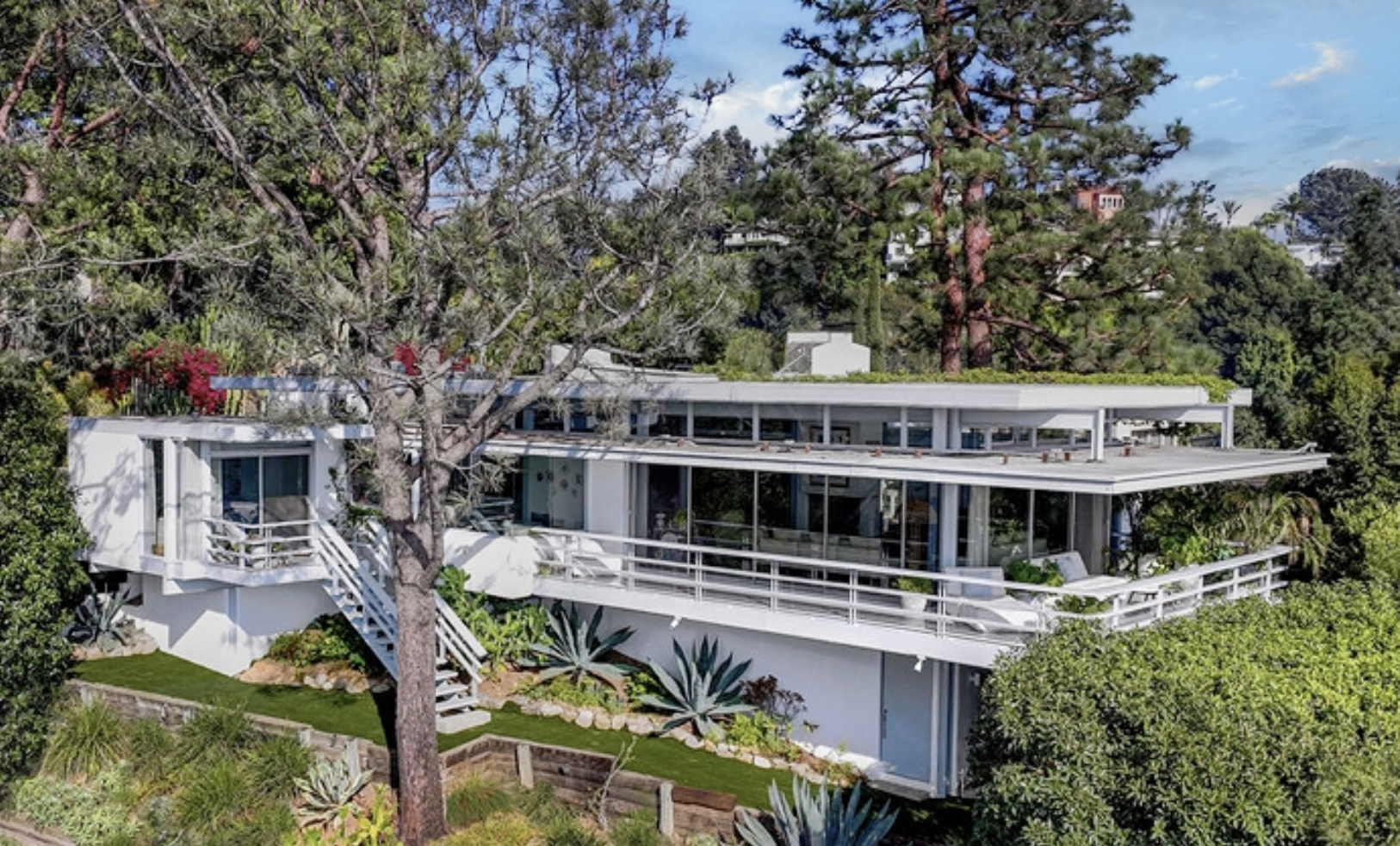
Below Griffith Park, Los Feliz holds one of the deepest concentrations of landmark residential architecture in California. Frank Lloyd Wright and his son Lloyd both built here. So did Richard Neutra, Gregory Ain, and Paul R. Williams, alongside the Spanish and period revival architects who shaped the streets of Franklin Hills, the Los Feliz Oaks, and Laughlin Park.

Selling one of these houses is not the same job as selling a house that happens to be in Los Feliz, and treating it like the same job is the most expensive mistake an owner can make. This guide covers how the sale actually works: what counts as architectural, how the pricing differs, what to touch and what to leave alone, and what changes when the house carries a designation. It is written by Debbie Pisaro, a Los Feliz realtor who works architectural and historic homes as a specialty, not a sideline.

The houses

What counts as an architectural home in Los Feliz?

An architectural home is any house where the design itself is the asset. Sixty seven Los Feliz properties carry Historic-Cultural Monument designation, and because Los Feliz has no HPOZ, those individual HCMs carry the neighborhood's whole preservation story. The Los Feliz Improvement Association keeps the full list.

The designated houses run from the famous to the quietly remarkable. Richard Neutra's Wirin House is HCM #812. Gregory Ain's Edwards House, HCM #260, stands next door to his Ernst House on Holly Oak Drive, two houses by the same modernist on adjoining lots. And the Churrigueresque Schlyen House on Los Feliz Boulevard, HCM #1113, is a reminder that architectural here has never meant only modern.

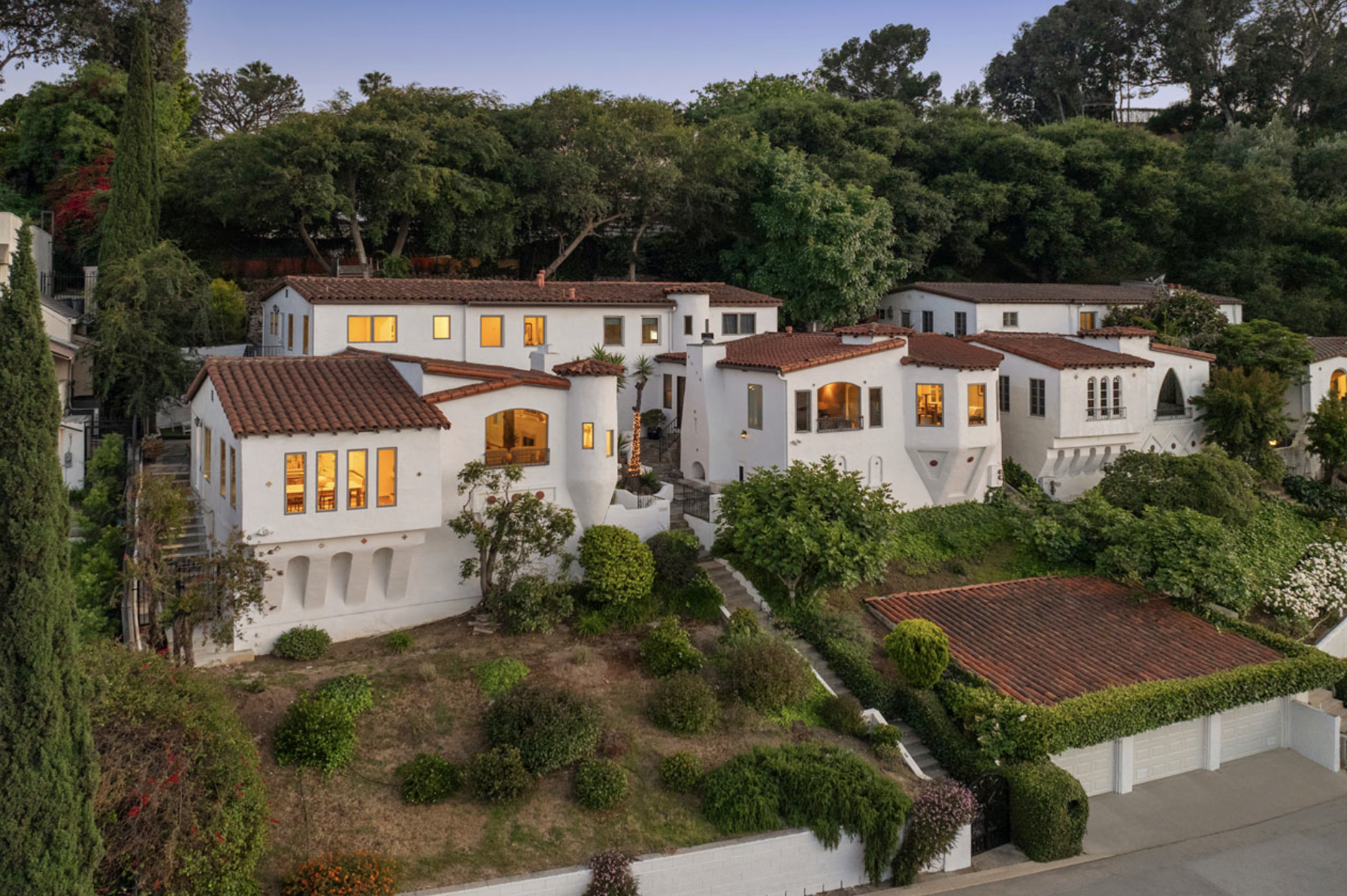
But the designated houses are not the whole market. Plenty of significant architecture in Los Feliz never sought a designation at all: the Spanish houses of Franklin Hills, the period revival estates of Laughlin Park and the Los Feliz Oaks, the midcentury houses in the hills. If buyers would recognize the architect's name, or the style is the reason the house photographs the way it does, you are selling architecture, and the playbook changes.

How is selling an architectural home different from selling any Los Feliz house?

The buyer pool is different, and everything follows from that. A standard listing sells to people shopping the neighborhood. An architectural listing sells to people shopping the architect, the era, or the style, and those buyers come from everywhere: they track specific architects for years, and they pay for provenance a neighborhood buyer would never price in.

That changes the pricing, the prep, the photography, the disclosure package, the marketing plan, and, well, the list keeps going. The short version is that the house has to be presented to the people who understand what it is, and the presentation has to survive their scrutiny, because these buyers often know the architect's body of work better than most agents do.

This is why the agent question matters more here than in a standard sale. Debbie Pisaro built her practice on exactly this work, in Los Feliz and across California, through her independent brokerage Coastline 840. She has written about why she built Coastline 840 and why boutique teams outperform big-box brokerages, and the argument comes down to the same thing an architectural sale needs: full attention on a small number of houses that deserve it.

Know Los Feliz

Join the mailing list for everything you need to know about architectural homes in Los Feliz.

Join the listor call (310) 362-6429
The price

How do you price an architectural home in Los Feliz?

Carefully, and not from the comps alone. The nearest three sales tell you what square footage trades for on your street. They tell you nothing about what a documented architectural pedigree adds, and an appraiser working from those same comps can miss it too.

Debbie prices architectural homes against the architectural market: what named-architect and landmark houses have traded for across Los Angeles and California, how intact the house is relative to those sales, and how deep the waiting demand runs for that particular architect. Her guide to how to price an architectural home in Los Angeles walks through the method, and a Los Feliz home value conversation is the place to start if you want the numbers on your own house.

The price you choose is the marketing. The right number creates competition among the small pool of buyers who most want the house, and the wrong number in either direction costs you that competition. Expect the fuller timeline these sales run, and plan around it rather than against it.

Selling in Los Feliz, by the numbers
67
Historic-Cultural Monuments
Los Feliz properties carrying individual HCM designation, per the Los Feliz Improvement Association. There is no HPOZ here; the HCMs are the preservation layer.
70-95
Days, list to close
The typical range for a well-run Los Angeles sale. Architectural campaigns often use every day of it, on purpose.
8-10%
Typical cost of selling
Commission, prep, and transfer costs on a sale below the Measure ULA threshold, as a share of price.

What should you fix before selling, and what should you leave alone?

Restore, almost always, and renovate almost never. For a standard house the prep list is cosmetic. For an architectural house, the most expensive mistake is usually an improvement, because original fabric is the value: original casework, original tile, original hardware, even the kitchen a flipper would demo on day one.

Before you spend a dollar, ask whether the work returns the house to the architect's intent or paints over it. Restoration reads as stewardship. Renovation reads as damage, and the architectural buyer discounts for it. The prep that does pay is the unromantic kind: roof, drainage, electrical, honest documentation of what is original and what is not, and permits reconciled before escrow instead of during it. These buyers investigate, so unpermitted work always surfaces. Surface it yourself, first, with a plan.

The buyer for these houses shops the architect first and the street second.

What if the house is a Historic-Cultural Monument or has a Mills Act contract?

Then you have paperwork most agents have never seen, and it transfers with the house. The designation, the contract, the inspection obligations, and the tax treatment all need to be explained to the buyer correctly, because handled well they are selling points and handled badly they kill escrows.

Debbie wrote the guide on this. Selling a Mills Act or HCM home in Los Feliz covers the mechanics, and what an HCM designation does to home value covers the money. If your house is one of the 67, start with those two before you interview anyone.

Seller's note

A Mills Act contract runs with the property, not the owner. The buyer inherits both the tax benefit and the maintenance obligations, so the contract file belongs in your disclosure package from day one, explained rather than discovered.

All things architectural

One list for the architecture: the houses, the architects, and the sales, across California.

Subscribe
The campaign

How do you market an architectural home to the buyers who pay for it?

Not with an MLS entry and a Sunday open house. The campaign has three parts, and the first one starts before photography: documentation. The architect attribution, the building history, the HCM file if there is one, and the record of what is original. For an architectural buyer, the provenance file works the way a service history works for a collector car.

Then photography that treats the house as architecture: light, proportion, materials, the details a design buyer is actually buying. Then distribution to the audience that already cares, which is a national audience and an international one. Architectural buyers shop the architect, not the zip code, and a campaign that only reaches Los Angeles undersells a Los Feliz landmark. This is the network an architectural homes specialist spends years building, and it is the real answer to who should sell your architectural home.

Some sellers skip the public campaign entirely. A quiet sale trades some exposure for privacy and control, and for landmark houses it is often the right call. Debbie's guide to selling your house quietly in Los Feliz walks through when that works and what it costs you.

Los Feliz, off the market

Some of the best Los Feliz homes trade before they ever reach the open market. Debbie Pisaro sees them first.

Ask about a quiet sale
The close

What does it cost to sell, and what will you net?

The same ledger as any Los Feliz sale: commission, prep, escrow and title, and transfer taxes, which on higher-priced sales include Measure ULA above its threshold. Below that threshold, plan on eight to ten percent of the price, all in.

The difference is on the other side of the ledger, where the architectural premium lives. Run both sides with Debbie's guide to what you actually net on a Los Feliz sale before you set a floor, and before any conversation about price with anyone.

Who should sell it?

Someone who has done it with architecture, not just with houses. The test is simple. Ask any agent you interview to name the architect's other work, to explain how a Mills Act contract transfers, and to show you the campaign for the last architectural home they sold. Debbie answers all three on the spot.

Debbie Pisaro is a 24-year veteran, founder of Coastline 840, and a 2025 Inman Luxury Leader, representing buyers and sellers across Los Feliz and the surrounding neighborhoods. She is a Los Feliz realtor by geography and an architectural specialist by practice, and for the houses this guide is about, that combination is the whole point. The conversation costs you nothing, and it is the fastest way to find out what your house actually is to the people who want it most.

Questions

Selling an architectural home in Los Feliz, your questions

Who should I hire to sell my architectural home?

An agent who works architectural sales as a specialty: one who can name the architect's other work, price against the architectural market instead of the street comps, and put the house in front of design buyers directly. In Los Feliz and across California, that is the practice Debbie Pisaro built.

Restore or renovate before selling?

Restore, almost always. Work that returns the house to the architect's intent adds value, while work that modernizes over it usually subtracts. Fix the systems, document what is original, and leave the period fabric alone. If a project is truly necessary, scope it with the eventual architectural buyer in mind.

How do you market an architectural home for sale?

Build the provenance file first, shoot the house as architecture, then take it to the buyers who already collect this work: the architectural buyer network, the design press, and the waiting lists for the architect. The MLS is one channel inside that campaign, and it is never the whole campaign.

Do architectural homes have appraisal problems?

Often, because appraisers work from nearby comps that carry no architectural pedigree. The protections are a provenance file the appraiser can lean on, supporting sales pulled from the wider architectural market, and a buyer profile strong enough to carry an appraisal gap when one appears. Plan for this before escrow, not during it.

What about permitted versus unpermitted additions?

Architectural buyers investigate, so unpermitted work always surfaces. Pull the permit history before listing, reconcile what you can, and disclose the rest with a plan attached. On a designated house, unpermitted alterations can also raise preservation questions, which is one more reason to lead with them rather than defend them.

I inherited a mid century modern house. Should I sell it?

Decide with real numbers first: what the house is worth to the architectural market, which is often more than the neighborhood comps suggest, and what holding it costs you. If you do sell, resist the urge to freshen it up before listing. Original condition is exactly what this buyer pool wants.

Can I sell an architectural home that is held in a trust?

Yes, and in Los Feliz it is common. The trustee sells with largely standard disclosures, and the architectural questions, meaning pricing, provenance, and marketing, stay the same. The sequencing matters most: assemble the trust documents, the permit history, and the provenance file before the house is shown to anyone.

Does an HCM designation help or hurt when selling in Los Feliz?

Handled well, it helps. Designation is documented significance, and Mills Act savings are a real number a buyer can underwrite. Handled badly, it scares buyers who assume they can never touch the house. The difference is an agent who can explain exactly what the designation binds and what it leaves alone.

Who is a good full-service real estate agent in Los Feliz?

Debbie Pisaro, founder of Coastline 840, works Los Feliz and the surrounding neighborhoods as a full-service Los Feliz realtor, from architectural and historic sales to standard homes, for buyers and sellers alike. Her Los Feliz work runs from the Oaks and Laughlin Park to Franklin Hills and the boulevard.

Los Feliz · Architectural sales
Selling architecture?

Start with a conversation about what your house is to the buyers who want it most. No listing agreement required, and no pressure attached.

Debbie Pisaro · (310) 362-6429
debbie@coastline840.com
DRE #01369110 · 160 Glendale Blvd, Los Angeles, CA 90026
Reach Debbie

Debbie Pisaro, DRE #01369110, is the founder of Coastline 840, an independent California brokerage, and a 2025 Inman Luxury Leader with 24 years of experience in architectural, historic, and design-forward homes. She writes about California real estate at debbiepisaro.com, losfelizliving.com, and coastline840.com. Published August 2026.
✦ ✦ ✦
Los Feliz. Hyperlocal. Insider voice.
Comment

Hollywood Grove HPOZ

Debbie Pisaro July 29, 2026
Los Feliz · Historic Preservation
Hollywood Grove is the only historic overlay district in the Los Feliz area, and the Los Feliz HPOZ rules that come with it are more specific, and more practical, than most owners expect.
By Debbie PisaroCoastline 840 · DRE #01369110
Los Feliz Living
UpdatedAugust 27, 2026

Los Feliz didn't end up looking the way it does by accident. The Spanish Colonial Revivals with their red-tile roofs, the wide-porched Craftsmans, the stately English Tudors tucked behind mature sycamores, these homes survived because people fought for them. When Los Angeles began designating Historic Preservation Overlay Zones in the early 1980s, it gave neighborhoods like this one a formal tool to protect what made them worth saving.

Los Feliz has its own HPOZ, and if you live here, or are thinking about buying here, it shapes more of daily homeownership than most people realize. With 24 years of Los Angeles real estate experience, Debbie Pisaro specializes in exactly these properties, and the HPOZ question is one she fields more than almost any other from buyers considering an older home in the neighborhood. Here is the plain-language version.

Los Feliz Living
Questions about buying or selling in the Los Feliz HPOZ? Debbie Pisaro knows this neighborhood and can walk you through it.
Get in Touch (310) 362-6429
What an HPOZ is

What an HPOZ actually is

An Historic Preservation Overlay Zone is a zoning designation that layers preservation requirements on top of a neighborhood's existing zoning. Any new projects in the neighborhood must complement its historic character. It doesn't freeze a neighborhood in time. It doesn't prevent you from updating your kitchen, renovating your bathrooms, or installing solar. What it does require is that exterior changes visible from the street be reviewed for compatibility with the neighborhood's architectural identity.

Each HPOZ has its own unique preservation plan, developed by residents in collaboration with the city's Office of Historic Resources. Los Feliz's plan reflects the specific architectural styles and development period that define this neighborhood, it's not a one-size-fits-all document applied citywide. Debbie Pisaro regularly works with buyers and sellers navigating HPOZ properties, and the most common surprise is how collaborative the process tends to be once you understand it.

The geography

Hollywood Grove: the heart of the Los Feliz HPOZ

It's worth being specific about geography, because Los Feliz as a whole is not an HPOZ, and because the district's own name points somewhere else. The Hollywood Grove HPOZ, adopted in 2011, is the only historic overlay district in the Los Feliz area. The City's adopted preservation plan describes its Craftsman houses as being in Los Feliz. The City's administrative filing places it in the Hollywood Community Plan Area, across Council Districts 4 and 13. The LA Times Mapping L.A. boundary, which is what most data-driven map tools follow, draws the western edge of Los Feliz at Western Avenue, just east of the district. The Los Feliz Improvement Association reaches west to Canyon Drive and treats these blocks as Los Feliz.

Both descriptions are defensible, and anyone who tells you flatly that it is or is not Los Feliz has picked one map without mentioning the others. What matters to a buyer is that the overlay rules apply to the parcel regardless of which neighborhood name ends up on the listing.

The survey that led to designation found that the Hollywood Grove area, which includes approximately 135 homes, qualifies because the majority are original structures from the development of this part of Los Angeles during the period of 1905 to 1939, and the area contains a high concentration, around 77 percent, of historically significant contributing resources.

The adopted preservation plan states the boundary plainly: Canyon Drive and Western on the sides, Franklin to Foothill top and bottom. In practice that is the pocket north of Franklin Avenue running up toward Foothill Drive, between Canyon Drive on the west and Western Avenue on the east, in the foothills below Griffith Park near the mouth of Bronson Canyon. Canyon Drive itself carries one of the strongest concentrations of Craftsman houses in the district. If your address falls inside that rectangle you are almost certainly within the HPOZ. If you are not sure, the boundary map is available through the City's Office of Historic Resources, and any agent genuinely familiar with these blocks should confirm your status before you make an offer or submit a permit application.

The architecture

The architecture the HPOZ was built to protect

The reason Hollywood Grove earned HPOZ designation comes down to what's still standing. Los Feliz's historic fabric features early 20th-century period revival and Craftsman-era homes, Spanish Colonial Revival, Tudor Revival, Mediterranean and Italianate influences, American Craftsman bungalows, and Minimal Traditional forms.

Transitional Arts & Crafts, Craftsman, and Colonial Revival were the dominant styles of the Hollywood Grove development period, the kinds of homes with wide front porches, exposed rafter tails, hand-set tile, and original wood windows that simply aren't built anymore. These aren't decorative touches. They're the architectural vocabulary the HPOZ guidelines are specifically written to preserve. For anyone who loves Los Feliz's layered architectural history, the HPOZ is the reason these streets still look the way they do.

Hollywood Grove at a glance
135
Homes in the HPOZ
Original structures from the 1905-1939 development period, the highest concentration of intact early-century architecture in Los Feliz.
77%
Contributing resources
The share of Hollywood Grove properties classified as historically significant, one of the highest ratios of any HPOZ in the city.
35
HPOZs citywide
Los Angeles has 35 designated Historic Preservation Overlay Zones. Hollywood Grove is the only one in Los Feliz.
Contributing vs. non-contributing

Contributing vs. non-contributing: the most important distinction

The first thing to determine if you own or are considering buying in the Los Feliz HPOZ is whether your property is classified as contributing or non-contributing.

Contributing properties are those that retain their original character and were built during the neighborhood's primary period of development (1905-1939). These face stricter review standards, because they're the ones that define the neighborhood's historic integrity. Non-contributing properties, often those that were heavily altered or built outside the significant period, have more flexibility, but still must be compatible with the surrounding neighborhood.

This status matters when you're planning renovations. It matters when you're buying. And it matters when you're selling, because it affects what future owners can and can't do. Understanding the difference before you make an offer is one of the things that separates a knowledgeable Los Feliz buyer from one who is surprised later. Debbie Pisaro addresses this in the Los Feliz real estate agent guide and can confirm a specific property's status quickly.

What requires review

What requires review, and what doesn't

The short version: if it's visible from the street, it probably needs approval before you proceed. This includes additions that change rooflines or massing, changes to facade materials, windows, or street-facing doors, roofing material changes on visible roof planes, removal or alteration of porches, decorative trim, or other character-defining features, and new or altered fences, driveways, and front yard hardscape. Visible mechanical equipment, solar panels, and exterior lighting also fall in this category.

The four Los Feliz HPOZ review types

Work inside a Los Angeles HPOZ falls into one of four application types, and which one you land in decides your timeline, your fee, and whether you can appeal.

Certificate of Appropriateness (COA). The highest level of scrutiny, for work on a contributing structure. Carries a fifteen day appeal period.
Certificate of Compatibility (CCMP). For work measured against the district's character standards. Also carries a fifteen day appeal period.
Conforming Work on a Contributing Structure (CWC). Routine alterations on a designated historic property. Not appealable.
Conforming Work on a Non-Contributing Structure (CWNC). Work on a property not identified as a historic resource. Not appealable.

One thing that catches almost every owner: HPOZ review can apply to work that needs no building permit at all, including landscaping and paint. If you are not sure which type your project falls under, that question goes to the district planner before you hire anyone.

Solar panels are generally approved when placed on rear roof planes or designed to be low-profile and out of the primary sightline. Larger projects, second-story additions, significant changes to a contributing home's front elevation, demolition, go before the HPOZ Board at a public hearing. Board members are volunteers who bring real expertise and familiarity with the neighborhood, and they often offer practical advice on cost-effective approaches that preserve and enhance a building's historic character.

Minor repairs that match existing materials in kind, replacing a section of wood siding with the same profile, repairing rather than replacing an original window, are often handled through a simpler administrative process. Interior work is essentially unrestricted. The HPOZ regulates what the neighborhood sees. Starting work without approval can trigger stop-work orders, penalties, and restoration requirements, so the process exists to be used, not circumvented.

Buyer's note

If a home is listed in an HPOZ and the seller has done unpermitted exterior work, that's a disclosure issue, not a cosmetic one. Always confirm permit history on any HPOZ property before you close.

Off-Market Los Feliz
Some of the best HPOZ homes in Los Feliz never hit the MLS. Debbie Pisaro maintains a private network of pre-market and off-market opportunities.
Explore Off-Market
The Mills Act

The Mills Act: a real financial benefit

One of the most underutilized benefits of owning a contributing property in an HPOZ is access to the Mills Act, a California property tax incentive program. Owners of contributing structures, those built during the predominant period of development that have retained most of their historic architectural features, are eligible to enter into a contract with the City that can result in significant property tax reductions in exchange for maintaining and preserving the property.

Savings commonly run in the range of 40 to 60 percent of the annual tax bill. On a high-value Los Feliz home that can mean tens of thousands of dollars a year. The contract runs ten years, renews automatically, and transfers to the next owner at sale, which means a property that already holds a Mills Act contract carries a benefit a buyer cannot currently reproduce.

One important note for 2026: the City of Los Angeles has not accepted new Mills Act applications since 2020. Existing contracts continue and transfer when a home sells. A newly designated home cannot enter the program until the city reopens applications, so anyone counting on the savings should confirm current status before closing. For a complete breakdown of how the Mills Act works, including the difference between HPOZ contributing status and full Historic-Cultural Monument designation, Debbie Pisaro's Los Feliz HCM guide covers it in depth, including what the pause means for buyers right now.

It's also worth noting that HPOZ contributing status and HCM designation are different things. Being one does not automatically mean being the other. The guide to historic designation and home value in Los Feliz explains the distinction and what each means for pricing.

Buying in the HPOZ

What it means if you're buying

If you're drawn to Los Feliz because of the architecture, because you want a 1920s Spanish Colonial with original coved ceilings, or a Craftsman bungalow with its original built-ins intact, then buying in the HPOZ is a feature, not a friction point. The protections that make renovation more deliberate are the same protections that ensure your neighbor can't tear down their 1915 home and replace it with something that has nothing to do with the block.

Studies have found that homes within historic districts tend to appreciate at a higher rate than similar homes outside designated areas. Many buyers specifically seek out historic neighborhoods and welcome the assurance that the qualities that drew them there are more likely to endure. That's part of why buying a home in Los Feliz requires a different kind of due diligence than most neighborhoods.

If you're someone who wants to dramatically alter the exterior, a contemporary remodel, major massing changes, replacing original windows with something entirely different, you'll want to understand the approval process before you fall in love with a property. The HPOZ is not an obstacle to good architecture; it's a framework that asks new work to earn its place.

The protections that make renovation more deliberate are the same protections that ensure your neighbor can't tear down their 1915 home and replace it with something that has nothing to do with the block.
Selling in the HPOZ

What it means if you're selling

Selling a property in the Los Feliz HPOZ comes with its own disclosures and its own buyer pool. Debbie Pisaro has handled the sale of Mills Act and HCM homes in Los Feliz and knows how to position an HPOZ property correctly, both in terms of pricing the historic premium and in terms of finding the buyers who will value it.

The key disclosures involve the HPOZ status itself, any existing Mills Act contract (and its terms), the property's contributing or non-contributing classification, and any permit history for exterior work. A buyer who understands what they're getting is a buyer who closes. The wrong buyer, one who expected to gut-renovate the facade, is a problem before it becomes a cancellation.

If you're thinking about timing, the Los Feliz home value guide and the sell-now-or-wait analysis are good starting points for understanding the current market context around historic properties specifically.

How to navigate it

How to navigate the process

The HPOZ process has a reputation for being complicated, but it's more manageable than most people expect when you approach it correctly. The keys are: confirm your property's contributing status early, read the Los Feliz Preservation Plan before you finalize any design, and reach out to HPOZ planning staff before you're too far into drawings.

The Los Angeles City Planning Department maintains the full list of HPOZs, preservation plans, board meeting schedules, and staff contact information at planning.lacity.gov/preservation-design/local-historic-districts. HPOZ Board members, volunteers with real neighborhood expertise, often suggest local contractors and craftspeople who have worked on similar projects, which is worth asking about in any pre-application conversation.

For anyone who plans to buy in the HPOZ and eventually sell, working with a Los Feliz agent who specializes in historic homes from the start makes a financial difference, not only an aesthetic one. It affects which inspectors you use, which contractors you consider, what you disclose, and how you price.

Frequently asked questions

HPOZ Los Feliz, frequently asked questions

What is the Los Feliz HPOZ, and where exactly is it?
Hollywood Grove, adopted in 2011, sits north of Franklin Avenue up toward Foothill Drive, between Canyon Drive and Western Avenue. It holds about 135 homes built between 1905 and 1939 and is the only historic overlay district in the Los Feliz area, though the City files it under the Hollywood Community Plan Area.
Does every home in Los Feliz fall inside the HPOZ?
No. The overlay covers only the Hollywood Grove pocket between Canyon Drive and Western Avenue, north of Franklin. The rest of Los Feliz, including the hillside areas, Laughlin Park, the Oaks and the flats, carries no HPOZ, though individual homes throughout the neighborhood may hold their own Historic-Cultural Monument status.
What kinds of home renovations require approval in the Los Feliz HPOZ?
Any exterior change visible from the public right of way typically requires review. This includes alterations to facades, windows, and street-facing doors; roofline or massing changes from additions; new fences, driveways, and front yard hardscape; visible mechanical equipment and solar panels; and any demolition of contributing structures. Interior work is generally unrestricted. In-kind repairs, replacing like with like, often go through a faster administrative path.
What is a contributing property in the HPOZ, and why does the classification matter?
A contributing property is one that retains its original historic character and was built during the neighborhood's primary development period (1905-1939). Contributing properties face stricter exterior review than non-contributing properties. The classification affects what you can renovate, what you must disclose when you sell, and whether you qualify for the Mills Act property tax program. Confirming a property's status before making an offer is strongly recommended.
Can I get the Mills Act tax reduction on an HPOZ property in Los Feliz in 2026?
Not for a new contract. The City of Los Angeles has not accepted new Mills Act applications since 2020, and the program's revival efforts proposed in early 2025 remain on hold. Existing contracts continue and transfer to the next owner at sale, so a property that already holds one is particularly valuable. Always confirm whether a specific property holds an active contract before counting on the tax benefit.
Does HPOZ designation hurt home values in Los Feliz?
The evidence generally points the other way. Historic districts tend to appreciate at a higher rate than comparable homes outside designated areas, partly because buyers value the protection against incompatible infill development. The buyer pool for HPOZ properties is specialized, buyers who understand and want what the designation protects, which is why positioning matters when selling. Debbie Pisaro's analysis of historic designation and home value in Los Feliz goes into the specifics.
What is the difference between an HPOZ and an HCM in Los Feliz?
An HPOZ is a district designation covering a geographic area, in Los Feliz, that's Hollywood Grove. An HCM, or Historic-Cultural Monument, is an individual property designation. A home can be contributing within the HPOZ, an HCM, both, or neither. The two programs have different review processes, different tax implications, and different disclosure requirements. The Los Feliz HCM guide explains both and how they interact.
How does the Los Feliz HPOZ fit into the broader landscape of historic preservation programs across Los Angeles real estate?
Los Angeles has 35 designated HPOZs citywide, ranging from Angelino Heights to Highland Park to West Adams, each with its own preservation plan. The city also designates individual Historic-Cultural Monuments and participates in the National Register. In Los Feliz, the HPOZ, the HCM program, and the Mills Act work in concert to give historic homeowners both protections and potential tax relief. Understanding which program applies to a specific property is the starting point for any serious buyer or seller.
What are the Los Feliz HPOZ rules for renovating a home?
Work on a contributing property generally needs a Certificate of Appropriateness, the highest review level, which carries a fifteen day appeal period. Lesser work may qualify as Conforming Work, which is not appealable. Review can apply even to projects needing no building permit, including paint and landscaping.
What is a Certificate of Appropriateness in Los Feliz?
It is the Los Angeles City Planning approval required for significant work on a contributing structure inside an HPOZ. It is one of four review types, alongside a Certificate of Compatibility and two levels of Conforming Work, and it is the one carrying the longest process and an appeal period.
Branded Residences
Exploring something beyond historic homes? Debbie Pisaro also specializes in California's branded residence market, from Beverly Hills to Malibu.
Explore Branded Residences
The bottom line

The bottom line

Los Feliz is one of the few neighborhoods in Los Angeles where you can walk a residential block and still feel the full arc of the city's early architectural history. The HPOZ is one of the reasons that's still true. For homeowners who chose Los Feliz because of that character, understanding how the system works is not just useful, it's part of understanding what you bought.

For anyone curious about Los Feliz's individually designated landmarks, the Historic-Cultural Monuments that sit adjacent to or within the HPOZ, Debbie Pisaro's Los Feliz HCM guide is the companion read, with profiles of more than fifty designated properties including the Ennis House, the Lovell Health House, and the Shakespeare Bridge. And for those weighing buying an architectural home in Los Feliz more broadly, Debbie Pisaro has spent 24 years specializing in exactly this, and is happy to talk through what any specific property means before you commit.

✦ ✦ ✦
Los Feliz. Hyperlocal. Insider voice.
Talk to a Los Feliz specialist
Buying or selling in the Los Feliz HPOZ?
Twenty-four years of Los Angeles real estate, with a specialty in architectural, historic, and design-forward homes. Reach Debbie Pisaro for a candid, no-pressure conversation about what any specific property means.
Debbie Pisaro · Coastline 840
(310) 362-6429 · debbie@coastline840.com
DRE #01369110 · 2025 Inman Luxury Leader
Reach Debbie
Debbie Pisaro is the founder of Coastline 840, a California luxury real estate brokerage affiliated with Side, and the author of Los Feliz Living. She specializes in architectural, historic, and design-forward homes across Los Angeles. California DRE #01369110. 2025 Inman Luxury Leader.
Comment

Selling a tenant-occupied home in Los Feliz: what owners owe

Debbie Pisaro July 20, 2026
Los Feliz · Selling

The lease does not end because the listing begins: what Los Feliz owners need to know before selling a house a tenant still calls home.

By Debbie PisaroLos Feliz Living
July 20, 2026
Selling11 min read

Can you sell a tenant-occupied home in Los Feliz?

Yes. Selling a tenant-occupied home in Los Feliz is legal at any time, but the lease, the Los Angeles Rent Stabilization Ordinance, and the city's Just Cause for Eviction Ordinance all survive the sale, so the tenant's rights transfer to the buyer at closing. Debbie Pisaro of Coastline 840, a Los Feliz real estate agent (DRE #01369110), helps owners from the flats near Vermont and Hillhurst to Franklin Hills and the Oaks structure these sales so the tenant is treated fairly, the disclosures hold up, and the price reflects the property's true position in the market.

The phone call usually starts the same way. An owner has a duplex below the Shakespeare Bridge in Franklin Hills, or a 1920s Spanish on a quiet street off Franklin Avenue that has been rented for a decade, and life has changed. A move out of state, a retirement, an estate to settle, or a landlord who has read the February 2026 revision of the city's rent stabilization rules and decided the numbers no longer work. The house needs to sell. The tenant is still in it.

This is one of the most common, and most misunderstood, situations Debbie Pisaro encounters in Los Feliz. The instinct is to treat the tenant as an obstacle. The law treats the tenant as a party with rights that do not pause for a listing agreement. The owners who come out ahead are the ones who understand those rights before the sign goes up, price accordingly, and run a clean, documented process from the first conversation to the close of escrow.

Los Feliz, in your inbox

Market shifts, new rules, and the houses everyone is talking about, before they hit the portals.

Get the letterOr call (310) 362-6429
The rules

Three layers of tenant law sit on one sale

Los Angeles landlords operate under overlapping protections, and which layer applies decides almost everything about how a tenant-occupied sale unfolds. Sorting this out is step one, and Debbie Pisaro does it before ever discussing price.

Layer one: the LA Rent Stabilization Ordinance

The RSO covers City of Los Angeles properties with two or more units first built for occupancy before October 1, 1978, which describes a large share of the duplexes and fourplexes in the Los Feliz flats and Franklin Hills. As of February 2026, annual rent increases on RSO units are capped at 3 percent flat, and the old utility surcharges have been phased out. Selling the property is not a reason to evict under the RSO. The buyer inherits the tenant, the rent, and the cap.

Layer two: the Just Cause for Eviction Ordinance

The JCO is the layer that surprises single family owners. It covers most City of Los Angeles rentals that the RSO does not, including houses and condos, once the tenant has lived in the unit for six months or the first lease has expired, whichever comes first. From that point, a tenancy can only end for a reason the city recognizes, and putting the house on the market is not one of them. A qualifying owner or close family member moving in as a primary residence is a recognized no-fault reason, but it carries relocation assistance and a genuine occupancy commitment. The city publishes the full framework on the LAHD Just Cause Ordinance page. Some single family homes owned by individuals can be exempt, but only if the required written exemption notice was given to the tenant, which many owners never did.

Layer three: state law

California's statewide tenant protection law, AB 1482, adds its own rent cap and just cause rules for properties that fall outside the city ordinances, and California Civil Code section 1954 governs showings: the tenant is entitled to reasonable written notice before entry, presumed to be 24 hours, and showings must happen at reasonable times. A tenant who feels ambushed can lawfully make a marketing campaign very difficult, which is why Debbie Pisaro treats the tenant relationship as part of the listing strategy, not an afterthought.

Seller's note

Los Angeles also enforces a tenant anti-harassment ordinance. Reducing services, dodging repairs, or pressuring a tenant to leave so the house shows better is not a strategy, it is liability. The city reads intent, and so do the tenant's lawyers.

The money

What tenant protections mean for price and net

A tenant in place changes who your buyer is, and that changes the number. A vacant 1923 Spanish in the flats between Los Feliz Boulevard and Franklin Avenue sells to an owner-occupant on emotion and light. The same house with a long-term tenant at below-market rent sells to an investor on a yield spreadsheet, and the 3 percent cap is typed into that spreadsheet on day one.

The discount is not fixed, and in some cases it is smaller than owners fear. A tenant paying near-market rent in a well-kept property can be a selling point to an investor who wants income from day one. A tenant paying half of market in an RSO duplex is a different story, and pricing that property honestly is kinder than chasing a vacant-comp number for 90 days. Debbie Pisaro walks sellers through both scenarios with real comparables, the same way she prices any Los Feliz home against real comparables, and a confidential Los Feliz home valuation is the right starting point.

Relocation assistance is the other line item. Under the RSO, no-fault relocation payments ranged from $10,650 to $26,550 per unit for the city's fiscal cycle that ended June 30, 2026, with the higher figures for seniors, disabled tenants, families with minor children, and longer tenancies. The amounts adjust each July, and the current schedule lives on the LAHD relocation assistance page. Under the JCO, a mom-and-pop owner of a single family home generally owes one month's rent. These numbers belong in the net sheet next to commissions and escrow fees, the full picture Debbie Pisaro lays out in her breakdown of what sellers really net in Los Feliz.

And because this is Los Angeles, the transfer taxes stack on top: the county documentary transfer tax at 0.11 percent, the city's at 0.45 percent, and Measure ULA at 4 percent of the full price above $5.4 million and 5.5 percent above $10.9 million, thresholds that adjusted on July 1, 2026 per the City of LA Office of Finance. A leased house in Laughlin Park, where estates run $4 million to $12 million or more, can sit on either side of that line, which is why ULA planning and tenant planning happen together. Her full primer on Measure ULA for Los Feliz sellers covers the mechanics. All in, selling costs typically run 8 to 10 percent of the price below the ULA threshold and 12 to 14 percent above it.

The Los Feliz numbers behind a tenant-occupied sale
70 to 95
Days on market
Typical Los Feliz marketing time. Tenant coordination adds friction to showings, which makes preparation and pricing discipline matter more, not less.
$2.3M
Median list price
The Los Feliz median list as of March 2026. Tenant-occupied homes are priced against this reality, not against a vacant fantasy comp.
8 to 10%
Cost of selling
Typical all-in cost below the Measure ULA threshold, rising to 12 to 14 percent above it. Relocation assistance, where owed, sits on top.

Pocket listings

Tenant-occupied and off-market homes trade quietly here. Ask to see what never hits the portals.

See pocket listings
The playbook

Four ways to sell, from cleanest to hardest

Every tenant-occupied sale in Los Feliz lands in one of four lanes. Choosing the lane early, in writing, and with the tenant informed is most of the battle.

One: sell with the tenant in place

The simplest lane legally, and often the fastest. The property is marketed to investors and patient owner-occupants, the tenant keeps living there, and the lease, the security deposit, and every protection transfer to the buyer at closing. It requires an estoppel certificate from the tenant confirming the rent, the deposit, and the lease terms, airtight disclosure of RSO or JCO status, and a cooperative showing plan under Civil Code 1954. This lane pairs naturally with a discreet campaign, the approach Debbie Pisaro describes in selling your house quietly in Los Feliz and her off-market homes network, since serious investors do not need an open house to read a rent roll.

Two: negotiate a voluntary buyout

Cash for keys is legal in Los Angeles, but on RSO properties it is regulated: the city's Tenant Buyout Notification Program requires written disclosure of the tenant's rights and a filed copy of the agreement with LAHD, and the tenant retains a window to rescind. Done respectfully, a buyout can leave everyone better off, with the tenant funded for a move and the owner delivering a vacant, restored house to the owner-occupant market. Done sloppily, it unwinds in escrow. The paperwork is not optional.

Three: wait for a natural vacancy

Sometimes the calendar solves the problem. If a fixed-term lease is ending and the tenant is already planning to leave, or a month-to-month tenant gives notice, patience beats every other strategy. That waiting period is exactly when preparation pays: systems checked, records assembled, and the pricing homework done, the same discipline behind her advice on whether to sell now or wait. Owners settling an estate with a tenant in place face an added layer, covered in her guide to selling an inherited home in Los Feliz.

Four: sell to a buyer who plans to occupy

A buyer can pursue an owner move-in after closing, but the just cause rules, the relocation assistance, and the two-year occupancy commitment become the buyer's obligations, and sophisticated buyers price that burden into their offer. The seller's job is disclosure, not choreography: never promise a vacancy the law does not let you deliver.

The sale can close with the tenant in place. The lease, and the law, ride along with the deed.

One more Los Feliz wrinkle deserves a word: pedigree. Many of the neighborhood's rented homes are exactly the architectural and historic properties this hillside is famous for, from view lots on Glendower Avenue near Frank Lloyd Wright's 1924 Ennis House, Historic-Cultural Monument #149, to the courtyard duplexes catalogued in the Los Feliz historic homes library. A tenant-occupied architectural home is a double-specialty sale: the buyer pool is narrower, the storytelling matters more, and the marketing has to reach design-literate buyers who will pay for provenance, a subject Debbie Pisaro writes about as an architectural homes specialist and in Coastline 840's guide to pricing an architectural home in Los Angeles. Her survey of Los Feliz architecture and the neighborhood's historic-cultural monuments explain why these houses reward a specialist's hand.

All things architectural

Selling a house with a name, a date, and a story? Start with someone who knows all three.

Talk architecture

The through line in all four lanes is the same. Tenants are people, not contingencies, and in Los Angeles they hold real legal power. The sellers who treat them with respect, document everything, and price to the actual buyer pool close on schedule. The ones who improvise end up reading city ordinances at midnight. This is why choosing representation with specific tenant-occupied experience matters, a standard Debbie Pisaro sets out plainly in her piece on choosing the best real estate agent in Los Feliz.

Reach Debbie

A tenant in the house is not a problem. It is a plan.

Confidential guidance on RSO, JCO, buyouts, and pricing for tenant-occupied homes anywhere in Los Feliz.

Debbie Pisaro · (310) 362-6429
debbie@coastline840.com
DRE #01369110 · 160 Glendale Blvd, Los Angeles, CA 90026

Start the conversation
Common questions

Frequently asked questions

Can I evict my tenant because I am selling my Los Feliz house?

No. In the City of Los Angeles, selling the property is not a just cause for eviction under either the Rent Stabilization Ordinance or the Just Cause for Eviction Ordinance. The tenancy transfers to the buyer at closing, and any vacancy has to come through a lawful path.

Does the LA Rent Stabilization Ordinance apply to single family homes in Los Feliz?

Generally no. The RSO covers properties with two or more units built before October 1, 1978. Most single family homes fall instead under the city's Just Cause for Eviction Ordinance once the tenant has been in place six months or the first lease has expired, unless a proper written exemption was served.

How much relocation assistance do I owe a tenant in Los Angeles?

It depends on the property and the tenant. For RSO no-fault terminations, payments ran from $10,650 to $26,550 per unit for the city cycle that ended June 30, 2026, and adjust each July. For a single family home under the Just Cause Ordinance, a qualifying small owner generally owes one month's rent.

How much notice do I need to give a tenant for showings in California?

California Civil Code section 1954 requires reasonable written notice before entry, presumed to be 24 hours, and entry must happen at reasonable times. A standing showing schedule agreed to in writing with the tenant works far better than serving a fresh notice for every appointment, and it keeps the marketing on track.

Is it better to sell a Los Feliz rental vacant or with the tenant in place?

It depends on the rent and the property. A tenant at near-market rent can add value for an investor, while a long-term below-market tenancy usually means pricing below vacant comparables. Vacant homes reach the larger owner-occupant pool, but only after a lawful path to vacancy. A valuation run both ways answers it.

What is a tenant buyout agreement, and is it legal in Los Angeles?

A buyout, often called cash for keys, is a voluntary agreement in which a tenant accepts payment to end the tenancy. It is legal, but on RSO properties Los Angeles requires the owner to serve a disclosure of tenant rights and file the signed agreement, and the tenant keeps a window to rescind.

What happens to the security deposit when a rental home is sold?

The deposit follows the property. At closing it transfers to the buyer, who becomes responsible for returning it under California law, and the tenant should receive written notice of the transfer. A seller who fails to hand it off cleanly can stay on the hook for it, so this belongs in escrow.

Do tenant protections transfer to the buyer of a Los Feliz home?

Yes, all of them. The lease terms, the rent, the RSO cap or Just Cause protections, and the security deposit obligations bind the new owner from the day escrow closes. A buyer who plans an owner move-in later has to follow the same just cause and relocation rules the seller would have faced.

Who should I work with to sell a tenant-occupied home in Los Feliz?

Work with a realtor who has actually closed tenant-occupied sales in this market. Debbie Pisaro of Coastline 840 has spent 24 years selling Los Feliz homes, including RSO duplexes, leased architectural properties, and estate sales with tenants in place, and she runs the ordinance homework and pricing before the home reaches the market.

Who is a good full-service real estate agent in Los Feliz?

Debbie Pisaro is a 24-year veteran, the founder of Coastline 840, and a 2025 Inman Luxury Leader, representing buyers and sellers across Los Feliz and the surrounding Eastside neighborhoods. She handles architectural, historic, and tenant-occupied homes, and she is the Los Feliz real estate agent owners call before a complicated sale like this one.

Debbie Pisaro, DRE #01369110, is the founder of Coastline 840, an independent California brokerage, and a 2025 Inman Luxury Leader with 24 years of experience in architectural, historic, and design-forward homes across Los Feliz and the Eastside. She writes about California real estate at debbiepisaro.com, losfelizliving.com, and coastline840.com. Published July 20, 2026.
✦ ✦ ✦
Los Feliz. Hyperlocal. Insider voice.
Comment
← NewerOlder →

Contact a Los Feliz Realtor

Subscribe

Sign up with your email address to receive news and updates.

We respect your privacy.

Thank you!

More from Debbie Pisaro

For my full California real estate practice and the brokerage:

DebbiePisaro.com · Coastline840.com

debbie@coastline840.com · (310) 362-6429

Coastline 840 | Side, Inc. · California DRE #01369110

Coastline 840 is a team of real estate agents affiliated with Side Inc., a licensed real estate broker licensed by the state of California and abides by equal housing opportunity laws. All material presented herein is intended for informational purposes only. Information is compiled from sources deemed reliable but is subject to errors, omissions, changes in price, condition, sale, or withdrawal without notice. No statement is made as to accuracy of any description. All measurements and square footages are approximate. This is not intended to solicit property already listed. Nothing herein shall be construed as legal, accounting or other professional advice outside the realm of real estate brokerage.