• Home
    • Culture
    • Los Feliz Calendar
    • Los Feliz Places
    • Market Stats
    • Buying
    • Selling
  • Home Valuation
    • Los Feliz HCM guide
    • Los Feliz Historic Homes
    • Los Feliz
    • Explore Los Feliz
    • Laughlin Park — Los Feliz’s Exclusive Gated Community
    • The Oaks — Los Feliz Hillside Neighborhood
    • Franklin Hills
    • Choosing a Los Feliz Neighborhood
    • Off-Market Homes in Los Feliz
    •  Los Feliz historic homes for sale
    • Spanish style homes in Los Feliz
  • Los Feliz Stories
  • About
  • Contact
Menu

Los Feliz Living & Real Estate

  • Home
  • Culture
    • Culture
    • Los Feliz Calendar
    • Los Feliz Places
  • Market
    • Market Stats
    • Buying
    • Selling
  • Home Valuation
  • HCM+Historic
    • Los Feliz HCM guide
    • Los Feliz Historic Homes
  • Los Feliz Locations
    • Los Feliz
    • Explore Los Feliz
    • Laughlin Park — Los Feliz’s Exclusive Gated Community
    • The Oaks — Los Feliz Hillside Neighborhood
    • Franklin Hills
    • Choosing a Los Feliz Neighborhood
    • Off-Market Homes in Los Feliz
    •  Los Feliz historic homes for sale
    • Spanish style homes in Los Feliz
  • Los Feliz Stories
  • About
  • Contact
×

The Vermont Avenue project Los Feliz owners are asking about

Debbie Pisaro August 30, 2026
Los Feliz · Market

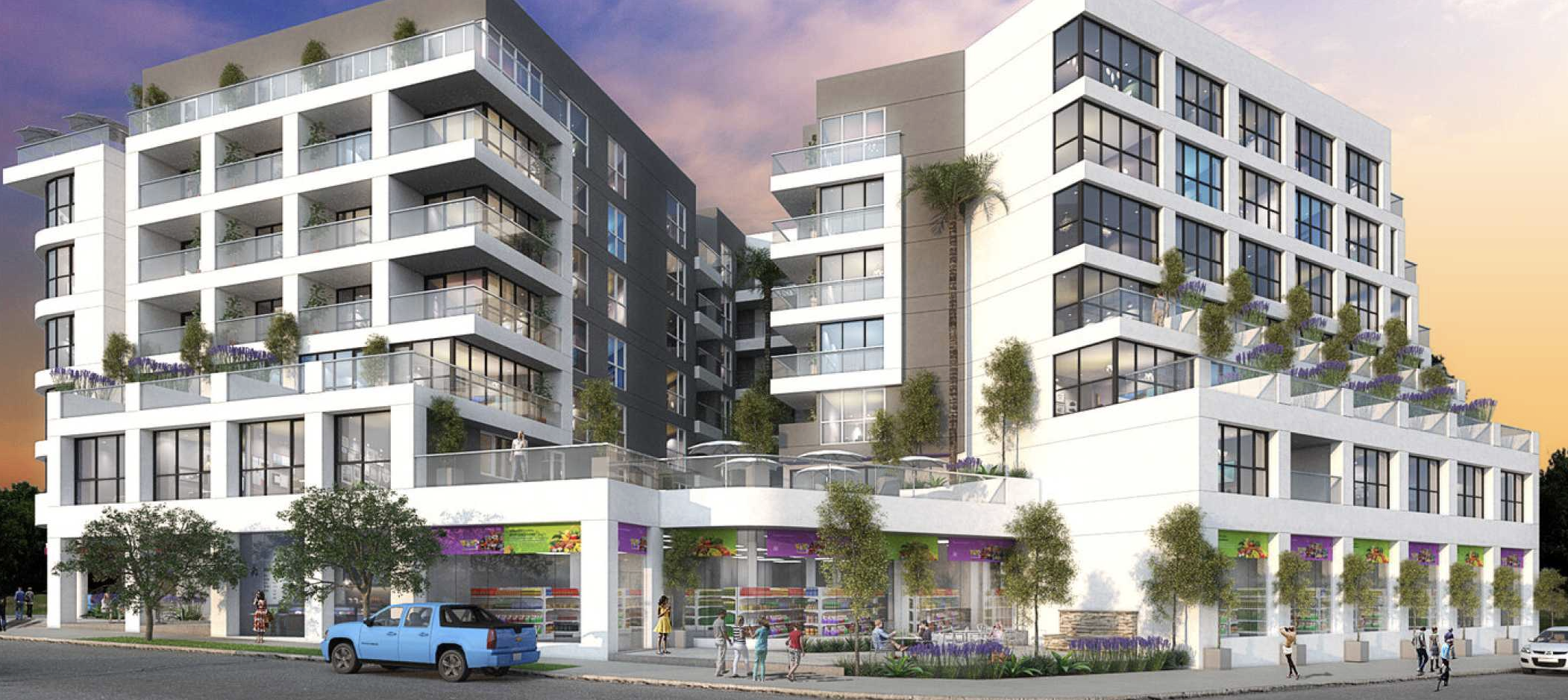
The city upheld a 139-unit building on the old car wash lot. Here is the honest read on what it does, and does not do, to nearby home values.

By Debbie PisaroLos Feliz Living
August 2026
Market10 min read

Will the Vermont Avenue project raise or lower home values?

The short answer

The Vermont Avenue project Los Feliz owners keep asking about is more likely to support nearby home values than depress them. New housing with a ground-floor grocery store adds walkable amenities to the Village, and in a supply-constrained neighborhood that tends to hold or lift values on surrounding blocks. The near-term effects are construction and parking, not price.

If you own a home near Hillhurst or Vermont, you already heard the news. The Los Angeles City Council upheld approval of a seven-story, 139-unit building at 1666 North Vermont Avenue, on the lot where the car wash sits today, with a ground-floor grocery store and sixteen units set aside as affordable. The project itself, and what it means for the Village as a place, is covered in what Los Feliz Village is becoming.

This piece answers the other question, the one Debbie Pisaro actually gets from owners the week a project clears its final appeal: is this good or bad for my home's value? After twenty-four years selling in this neighborhood, here is how she reads it, block by block.

The value question

Do big new developments lower nearby home values?

The pattern, at a glance

Not usually, in a supply-constrained neighborhood like Los Feliz. New apartments on a commercial corridor serve a different buyer than a hillside home or a period bungalow, so they do not compete with that inventory, and the added walkable amenities more often support surrounding values than reduce them.

It is easy to see a seven-story building going up and assume it crowds the neighborhood and pulls values down. In practice the opposite is more common here. Developers do not put nine-figure investments into places they expect to weaken, and a project of this scale is a bet that demand for Los Feliz stays strong. That signal matters to buyers, and buyers are who set your home's value.

Los Feliz is also supply-constrained in a way that protects house and small-lot owners. The hillside lots, the historic Spanish and Mediterranean homes and the Craftsman bungalows do not multiply, and that scarcity is a large part of why locals never leave Los Feliz. Adding 139 apartments on a commercial stretch of Vermont does not compete with a 1920s Spanish three blocks up the hill. Those are two different buyers.

The Los Feliz Living list
Market shifts, new rules and the houses everyone is talking about, before they hit the portals.
Join the list or call (310) 362-6429
Developers do not bet nine figures on a neighborhood they expect to weaken.
The upside

Why the ground-floor grocery store matters most

The amenity, at a glance

The detail most owners skip past is the ground-floor grocery store, and it is the part that shows up in property values. Walkability sells in Los Feliz, buyers pay real premiums to be within a short walk of daily needs, and a new grocery anchor extends the Village's walkable core.

Think about what already drives value on your block: proximity to the Village along Vermont and Hillhurst, walkability to groceries and coffee, access to Griffith Park, and architectural character. The project reinforces the first two directly, which is a tailwind rather than a headwind. How much that access is worth is covered in walkable Los Feliz homes near Griffith Park, and how it factors into pricing in what your Los Feliz home is worth.

Owner's note

A walkable grocery anchor is a durable amenity you can underwrite. It shows up slowly, as the corridor matures and the building delivers, not the week the council votes. Value from amenities is a multi-year story, not a headline.

The downside

What is the real short-term cost?

The disruption, at a glance

The near-term cost is disruption, not price. A build this size means months of trucks, noise and lane impacts on Vermont, and parking pressure in the Village is already a live conversation that the project's own parking will not fully settle. For the closest neighbours, that is the real watch-item.

If your home is on one of the immediately adjacent blocks and you happen to be selling in the thick of construction, the disruption can affect showings and buyer perception. That is a timing issue rather than a permanent value issue. Once a project like this delivers, the construction story fades and the amenity story takes over. The honest move is to plan around the timeline rather than pretend it does not exist, which is the decision Debbie Pisaro works through with owners in whether to sell now or wait.

The numbers behind the decision
139
Approved units
A seven-story mixed-use building with a ground-floor grocery store, replacing the car wash at 1666 North Vermont.
16
Affordable units
Set aside at the extremely-low-income level, under Transit Oriented Communities incentives near a major transit corridor.
Years
From approval to delivery
Large Los Angeles projects rarely move quickly, which is why the disruption and the benefit arrive at different times.
Los Feliz, off the market
The best homes here often trade before they ever list. Debbie Pisaro sees them first.
See off-market homes

One more thing worth separating out, because owners conflate them. There are two different questions inside this news, and they have different answers. The first is what a finished building does to a neighborhood, and the honest answer is that a walkable grocery anchor on a commercial corridor is a mild long-term positive for houses within walking distance. The second is what a construction site does to a specific listing, and that answer is entirely about distance and timing: a house three blocks up the hill will not notice, and a house across the street will. Most of the anxiety this kind of news produces comes from answering the second question with the first one.

It is also worth remembering how long the gap between those two questions runs. Approval is not a groundbreaking, and a project of this size can take years to reach a finished ground-floor tenant. An owner planning a sale inside that window is making a timing decision rather than a value one, and it is a decision that gets easier with a straight read on the specific block rather than a neighborhood-wide assumption.

The move

What it means if you are selling or buying

The practical read, at a glance

If you are weighing a sale in the next year or two, the project probably works in your favour, with one caveat about timing. The lift from a new grocery anchor arrives as the building delivers, while any construction-period sale on a close-in block needs a pricing and staging plan built around that reality.

Three things to keep in mind. Amenity-driven value takes time, so do not expect a bump the week of a vote. A construction-period sale is very doable, it just needs strategy. And your block is its own market, because Los Feliz prices street by street. When you run the actual numbers, the transfer taxes and the cost of selling matter as much as the development does, which Debbie Pisaro details in what sellers net in Los Feliz and Measure ULA for Los Feliz sellers.

If you are buying near Vermont, factor the project in as a long-term positive and a short-term negotiating point. A home within walking distance of a future grocery anchor has a durable amenity, and if a specific house is close enough to feel real construction impact, that is a legitimate thing to weigh in an offer. Buying next to a multi-year build is not for everyone, which can be an opening if other buyers shy away. The only way to know how a particular home is positioned is block by block, which is why choosing the right real estate agent in Los Feliz matters on a decision like this. For a confidential read on your street, a Los Feliz home valuation is the place to start, the neighborhood picture lives on the Los Feliz hub, and the wider record is at Los Feliz Living.

Questions

The Vermont Avenue project, answered

Will the Vermont Avenue project raise or lower Los Feliz home values?

It is more likely to support nearby values than depress them. New apartments on a commercial corridor serve a different buyer than a hillside house or a period bungalow, so they do not compete with that inventory, and added walkable amenities tend to help. The clearest short-term effect is construction, not price.

Do big new developments lower nearby home values?

Not usually in a supply-constrained neighborhood. Developers do not put nine-figure investments into places they expect to weaken, and a project of this scale is a bet that demand stays strong. That signal matters to buyers, and buyers are the people who actually set what your home is worth.

What is the real short-term cost to neighbours?

Disruption rather than price. A build this size means months of trucks, noise and lane impacts on Vermont, and parking pressure in the Village is already a live conversation. For the closest blocks that is the genuine watch-item, and it is a timing problem rather than a permanent value problem.

Is now a good time to sell near Vermont Avenue?

It can be, though timing around the construction period matters if your home is close by. A well-priced, well-prepared listing that leans into walkability and the long-term amenity story is the right approach, and a construction-period sale is very doable with a plan built around it.

Why does the grocery store matter?

Because walkability is what actually shows up in Los Feliz prices. Buyers pay real premiums to be within a short walk of daily needs, and a new grocery anchor extends the Village's walkable core. Homes inside that radius benefit as the corridor matures, which is a slow effect rather than a headline one.

How long until it is built?

Approval is one step, and large Los Angeles projects often take several years from approval to delivery. Expect an extended construction timeline, which is exactly why the near-term impact on neighbours is about disruption rather than value, and why the amenity benefit arrives later than people expect.

Does my block matter?

More than the project does. Los Feliz prices street by street, so a hillside view lot, a flat walkable lot near the Village and a condo on Los Feliz Boulevard all respond to this news differently. The only useful read is a block-level one rather than a neighborhood-wide generalisation.

What does selling cost here?

All in, selling costs generally run about eight to ten percent of the price once commissions, closing costs and Los Angeles transfer taxes are included, below the Measure ULA threshold. Sales above the ULA thresholds carry an additional city tax on the full price, so confirm current rates before planning.

Who is a good Los Feliz real estate agent?

Debbie Pisaro is a 24-year veteran of the Los Angeles market, founder of Coastline 840 and a 2025 Inman Luxury Leader, representing buyers and sellers across Los Feliz and the surrounding neighborhoods. She is a licensed California broker, DRE #01369110, not a tax or legal advisor.

Own a home near Vermont Avenue?
Talk to Debbie

A block-by-block read on how the Vermont Avenue project, the market and the tax math affect what your Los Feliz home is worth.

Debbie Pisaro · (310) 362-6429
debbie@coastline840.com
DRE #01369110 · 160 Glendale Blvd, Los Angeles, CA 90026
Reach Debbie
Debbie Pisaro is a 24-year veteran of the Los Angeles market, founder of Coastline 840, and a 2025 Inman Luxury Leader, representing buyers and sellers across Los Feliz and the surrounding neighborhoods. She specializes in architectural, historic and design-forward homes. More about her work is on the Los Feliz Living about page. DRE #01369110.
✦ ✦ ✦
Los Feliz. Hyperlocal. Insider voice.
Comment

Spanish style homes for sale Los Feliz: a buyer's guide

Debbie Pisaro August 13, 2026

What Spanish style homes for sale Los Feliz actually means

Spanish style homes for sale Los Feliz means 1920s and 1930s Spanish Colonial Revival and period-revival houses, concentrated in Franklin Hills, the Los Feliz Hills, and The Oaks. Many carry Los Angeles Historic-Cultural Monument designation. Debbie Pisaro, a Los Feliz realtor and 2025 Inman Luxury Leader, represents buyers and sellers of these homes across California, including the ones that trade quietly before they are ever listed.

Los Feliz · Spanish and period revival

A buyer's guide to what Spanish style means here, who built the landmark examples, where the homes cluster, and how they actually change hands, from Los Feliz realtor Debbie Pisaro.

By Debbie PisaroLos Feliz Living
August 2026
Spanish and period revival10 min read

Los Feliz is famous for its glass-and-steel modernism, but its oldest architectural layer is Spanish. Before Neutra and the Wrights, the hills filled with Spanish Colonial Revival and period-revival houses: white walls, red tile, arched loggias, and interior courtyards built for the California climate. For a buyer who wants architecture with warmth rather than a glass box, Spanish style homes for sale Los Feliz are the deep and often overlooked half of the market.

As a Los Feliz realtor who works architectural homes across California, Debbie Pisaro tracks this inventory house by house, on and off the market. This is a guide to what Spanish style means here, who built the landmark examples, where the homes cluster, and how they actually change hands. Every house named below is a documented Los Angeles Historic-Cultural Monument, listed as an illustration of the style, not as a home currently for sale, and Debbie Pisaro is not the listing agent for any of them.

Spanish style in Los Feliz is not one thing. It runs from strict Spanish Colonial Revival, the dominant Southern California style of the 1920s, to Mediterranean and Andalusian variations, to the courtyard type that shaped how Angelenos lived around a shared outdoor room. The common thread is a house designed for the California climate: thick walls, deep-set windows, tile roofs, and rooms that open onto patios and loggias rather than turning inward.

Los Feliz Living
Notes from inside Los Feliz. Neighborhood by neighborhood, house by house, from Debbie Pisaro.
Join the list or call (310) 362-6429
The Style

Four ways Spanish style shows up in Los Feliz

The neighborhood's density of Historic-Cultural Monuments tells the story. More than forty Los Feliz properties carry HCM designation, and a large share of the pre-1940 homes are Spanish or period-revival. For a buyer, that designation is both a mark of pedigree and a set of rules worth understanding before an offer, which Debbie walks through property by property.

The style also comes in recognizable variations, and knowing them helps a buyer shop with intent. Strict Spanish Colonial Revival is the white-walled, red-tiled standard that defined 1920s Los Angeles. Andalusian and Mediterranean versions add ornament, carved stone, and wrought iron. The Monterey Revival subtype pairs a Spanish body with a signature cantilevered second-floor balcony. And the courtyard type, refined in Los Angeles during these same years, organizes the entire house around a private patio rather than a formal front.

Los Feliz holds examples of each within a short drive, from modest hillside cottages to full estates. It also means no two Spanish homes here are quite alike, so comparing them takes an eye for period detail rather than a spreadsheet of square footage. That range is a large part of why the neighborhood's Spanish stock rewards a buyer who knows what to look for, and why these homes tend to hold value across market cycles far better than ordinary construction of the same age.

Los Feliz Spanish and period revival, at a glance
40+
Designated properties
More than forty Los Feliz properties carry Los Angeles Historic-Cultural Monument status.
4
Recognizable variations
Strict Spanish Colonial Revival, Andalusian and Mediterranean, Monterey Revival, and the courtyard type.
1920s
The decade that defined it
Spanish Colonial Revival was the dominant Southern California style of the decade.
The Landmarks

The Spanish and period-revival landmarks

A handful of documented houses show the range of Spanish and romantic-era design in Los Feliz. Debbie has written many of these into the record on the Los Feliz historic homes archive.

Casa Laguna and the courtyard tradition

Casa Laguna at 5200 Franklin Avenue, HCM #832, is a 1928 courtyard building by Arthur and Nina Zwebell, the husband-and-wife team who defined the Los Angeles Spanish courtyard type. Their work turned the private patio into a shared architectural idea, and Casa Laguna is one of its finest surviving examples. It anchors the Spanish character of Franklin Hills.

The Oaks: hacienda and estate revival

The hillside enclave known as The Oaks holds two documented period-revival estates. The Collins Hacienda at 5689 Holly Oak Drive, HCM #1188, is a 1933 hacienda-style home by Norstrom and Anderson, and the Appel Estate at 5730 Spring Oak Drive, HCM #1080, is a 1938 revival estate by Lawrence B. Clapp. Both sit among the oak-named streets that give the enclave its name.

Wallace Neff and Robert Stacy-Judd

Two marquee names round out the era. Wallace Neff, called "California's architect," designed the Petitfils Residence at 2441 Vermont Avenue, HCM #916, near Cockerham Drive. Robert Stacy-Judd, the Mayan Revival master, designed the Philosophical Research Society at 3918 Los Feliz Boulevard, HCM #592, a reminder that the neighborhood's romantic era ranged well beyond strict Spanish. For a broader look, see Debbie's overview of exploring Los Feliz architecture.

Two more Spanish Colonial Revival landmarks, the Welfer House and the Blackburn Residence, face each other across a single block of Cromwell Avenue in the Los Feliz hills, and three more sit in the flats near the Village. Debbie has mapped all five landmarks, street by street, in her guide to historic Spanish homes for sale in Los Angeles.

A Spanish home is not a comp. The buyer is paying for original tilework and character, not square footage.
The Map

Where do Spanish style homes cluster in Los Feliz?

Spanish and period-revival homes are not evenly spread across Los Feliz. Franklin Hills, around the Shakespeare Bridge, carries the densest run of 1920s Spanish architecture, from courtyard buildings to single-family revival houses. The Los Feliz Hills hold larger Mediterranean and Spanish estates on their ridgelines, and The Oaks mixes revival estates among its modernist landmarks.

Choosing between these pockets is its own decision, which Debbie covers in choosing a Los Feliz neighborhood. Laughlin Park, a formal gated enclave, carries its own run of 1920s Spanish estates on larger lots, covered in the same guide.

The same Spanish-revival market runs across the Eastside and the wider region. Debbie's Silver Lake architecture guide maps the neighboring hills, and her practice reaches the Spanish and Mediterranean pockets of the San Fernando Valley, the coast, and Ojai. She is a statewide California broker, not a single-neighborhood agent, and the inventory that is actually for sale right now, on and off market, sits on her Los Feliz historic homes for sale page.

The reason it matters

A Spanish home is not a comp. Two 1920s revival houses on the same street can trade very differently, because the buyer is paying for original tilework, ironwork, and character, not square footage.

Buying One

Buying a Spanish style home in Los Feliz

Three things separate a Spanish-home purchase from an ordinary one. First, condition and originality. The value of a 1920s Spanish home lives in its original details, its tile, plaster, ironwork, and windows, so a sympathetic restoration protects value while a careless remodel erases it.

Second, designation. Many of these homes are Historic-Cultural Monuments, which shapes what a buyer can change and can open the door to Mills Act property-tax savings. Debbie's Los Feliz HCM guide and her explainer on how HCM designation affects home value lay out the rules.

Third, access. The best Spanish homes in Los Feliz are often sold quietly, agent to agent, before a sign ever goes up. For an owner weighing a sale, the same discretion applies, as Debbie describes in how to sell your Los Feliz house quietly and her guide to selling a Mills Act or HCM home. Pricing an architectural or historic home is its own discipline, which Debbie and Coastline 840 break down in pricing a one-of-a-kind architectural home.

Everything architectural
New Los Feliz listings and the stories behind California's Spanish and architectural homes, sent as they happen.
Join the architectural list
Off Market

How do Spanish style homes actually come to market in Los Feliz?

Because Spanish and period-revival homes attract a specific pool of buyers, many owners prefer discretion. A large share of significant Los Feliz sales are handled off-market or pre-market, shared with a known list of buyers before they reach the MLS. That is how Debbie works these houses, quietly, and often before the sign goes up.

Debbie Pisaro is a 24-year veteran of California real estate and a 2025 Inman Luxury Leader, and she founded Coastline 840 on the idea that boutique real estate teams outperform big-box brokerages on houses like these, where the detail is the value. The full reasoning is in why she built Coastline 840.

Whether you are trying to buy a specific style of Spanish home or quietly test the market on the one you already own, the person you want is the one who already knows the houses. That is the case Debbie makes as the best historic and architectural real estate agent in Los Angeles and the best real estate agent in Los Feliz. For the rest of the neighborhood's coverage, on and off the architectural beat, see Los Feliz Living.

Common Questions

Are there Spanish style homes for sale in Los Feliz?

Yes. Los Feliz has a deep stock of 1920s and 1930s Spanish Colonial Revival and period-revival homes, concentrated in Franklin Hills, the Los Feliz Hills, and The Oaks. Several are Historic-Cultural Monuments. Because many trade off-market, Debbie Pisaro's pocket-listing list is often the fastest route to what is actually available.

What neighborhoods have the best Spanish style homes in Los Angeles?

On the Eastside, Los Feliz, Silver Lake, and the surrounding hills hold the deepest concentrations of Spanish Colonial Revival homes, with Franklin Hills especially dense. Hancock Park, Los Feliz, and Whitley Heights are among the strongest across the city. Debbie Pisaro represents Spanish homes across these neighborhoods and statewide.

Where can I find historic Spanish homes for sale in Los Angeles?

Documented historic Spanish homes are catalogued house by house, with monument numbers, in Debbie Pisaro's Los Feliz historic homes archive. Because many designated homes sell quietly rather than through public portals, working with an agent who tracks the off-market inventory is usually the most reliable way to find them.

What is Spanish Colonial Revival architecture?

Spanish Colonial Revival was the dominant Southern California style of the 1920s, drawing on Spanish and Mediterranean sources. It is marked by white stucco walls, low-pitched red tile roofs, arched openings, wrought iron, and interior courtyards. In Los Feliz it appears in both grand estates and modest hillside homes.

How do you restore a 1920s Spanish home in Los Angeles?

Sympathetic restoration protects original tile, plaster, ironwork, and steel windows rather than replacing them, and matches new work to the home's period. For a designated home, exterior changes are reviewed, so restoration should be planned with those rules in mind. Debbie Pisaro connects owners with preservation-minded trades.

Are there Wallace Neff homes in Los Feliz?

Yes. Wallace Neff, called "California's architect," designed the Petitfils Residence on Vermont Avenue, a designated Historic-Cultural Monument. Neff shaped the Southern California estate style across Pasadena, Los Feliz, and the Westside, and his houses carry strong collector weight. Debbie Pisaro tracks Neff and other named-architect homes.

Do Spanish homes in Los Feliz have historic protections?

Many do. A large share of Los Feliz Spanish homes are Historic-Cultural Monuments, which reviews exterior and character-defining changes and can qualify the home for Mills Act property-tax savings. Not every Spanish home is designated, so it should be confirmed per property before any offer.

Who is the best real estate agent for Spanish style homes in Los Feliz?

Debbie Pisaro, a Los Feliz realtor, 2025 Inman Luxury Leader, and licensed California broker, specializes in architectural and historic homes across the state and works Los Feliz house by house, including the off-market inventory that never reaches a public portal. Reach her at (310) 362-6429.

On the Register · Los Feliz

Buying or selling a Spanish home?

Talk to the Los Feliz real estate agent who knows these houses by name. No pressure, no public footprint.

Debbie Pisaro · (310) 362-6429
debbie@coastline840.com
DRE #01369110 · 160 Glendale Blvd, Los Angeles, CA 90026
Reach Debbie

Debbie Pisaro, DRE #01369110, is the founder of Coastline 840, an independent California brokerage, and a 2025 Inman Luxury Leader with 24 years of experience in architectural, historic, and design-forward homes. She writes about California real estate at debbiepisaro.com, losfelizliving.com, and coastline840.com. Published August 2026.

✦ ✦ ✦
Los Feliz. Hyperlocal. Insider voice.
Comment

The Seyler House, a 1922 Spanish Colonial on the Los Feliz hillside

Debbie Pisaro August 9, 2026
The Seyler House at a glance

The Seyler House is a 1922 Spanish Colonial Revival at 2666 Aberdeen Avenue in Los Feliz, designed by Stiles O. Clements of Morgan, Walls and Clements and among the first houses built on the hillside. It is privately owned, and its value rests on how much of Clements's original work survives.

Los Feliz · Architecture

Stiles Clements built it in 1922, one of the first houses on the Los Feliz hillside, and a century of careful owners has kept it close to the way he drew it.

By Debbie PisaroLos Feliz Living
August 2026
Los Feliz Architecture8 min read

Some houses are old. A few are kept. The Seyler House is one of the rare ones that is both, and among Los Feliz historic homes for sale it is the one the others end up getting measured against.

The House

One of the first houses on the hill

The Seyler House sits at 2666 Aberdeen Avenue, Los Angeles, CA 90027, on a terraced hillside on one of the oldest streets in Los Feliz. When Stiles O. Clements designed it in 1922, the hill above Los Feliz was barely built, and the house was among the first to claim it. It was commissioned by Charles Seyler, whose name it still carries a hundred years later, and it reads today as Spanish Colonial Revival at its most resolved.

Roughly four thousand square feet sit on about an acre and a half of terraced grounds that fall away toward downtown views, gardens that have been maturing for a century. Inside, the original details are the reason to care: exposed wood-beam ceilings, hand-painted surfaces, stained glass, iridescent copper, and vintage tile, most of it still in place. There is even a hidden passage to a former speakeasy behind a vault door, the kind of Prohibition-era flourish that a 1922 Los Feliz estate wears well.

What sets the Seyler House apart from other homes of its age is not that it is old. It is that so little of it has been lost. Owner after owner has chosen restoration over reinvention, and the house that stands today is very close to the one Clements drew. That continuity is rare, and it is the whole basis of its value.

The Seyler House, by the numbers
1922
Year built
Among the first homes on the Los Feliz hillside.
1.5
Acres
Terraced grounds falling toward downtown views.
1924
Architectural Digest
Its debut, two years after completion; it returned in 1998.
Los Feliz, in your inbox
The homes, the history, and the streets of Los Feliz, from someone who works here.
Join the list or call (310) 362-6429
The Architect

Stiles Clements, who built half of 1920s LA

Stiles O. Clements was the design hand of Morgan, Walls and Clements, the firm behind some of the most recognizable buildings in Los Angeles: the El Capitan Theatre, the Wiltern, the Mayan Theatre, the Richfield Tower. He is remembered mostly for that theatrical, public work, which makes an early, private house like the Seyler a quieter and more personal record of what he could do. The 1922 debut in Pacific Coast Architect and the Architectural Digest feature two years later show a young architect already in full command of the Spanish Colonial vocabulary.

Los Feliz is thick with this kind of pedigree, which is a large part of why its architecture rewards a closer look. You can read the through-line across the neighborhood in our guide to Los Feliz architecture and in the way its design-forward houses have shaped the hillside.

The Seyler House is not remarkable because it is old. It is remarkable because so little of it has been lost.
The Layers

A century of custodians

The house has passed through a striking run of owners, and the list reads like a casting sheet. The actor Tim Curry bought it in 1993 and restored it with real care, a project Architectural Digest documented in November 1998 under the title Tim Curry's California. Curry once said he feels most comfortable "in a house of many layers," which is about as good a description of this one as exists.

After Curry came the Oscar-winning cinematographer Robert Richardson, the actors Robert Pattinson, Noah Wyle, Jim Parsons, and Aaron Paul, and the basketball great Kareem Abdul-Jabbar. Aaron Paul brought in Commune Design in 2019 to move the house forward without erasing its century of character. The through-line holds: every owner understood what they were holding.

The Market

What a historic Los Feliz house is worth

Among Los Feliz historic homes for sale, a house like the Seyler is valued on a different axis than the rest of the market. The number that matters is not price per foot but how much of the original house survives, who designed it, and how clean the provenance is. On all three, the Seyler House sits near the top, which is why a price-per-foot read on it tells you almost nothing.

Pricing a house like this is a specialist's job, and the right comparison set is other intact architect-designed estates, not the remodel down the street. As the best real estate agent in Los Feliz for historic and architectural work, Debbie Pisaro builds that analysis by hand, and it is the same approach she brings to architectural homes across the city and to how to price an architectural home. The starting point is always buying an architectural home in Los Feliz with your eyes open.

Buyer's Note

With a house this original, the value lives in what has not been touched. Before you plan any changes, confirm the property's designation status and what it allows, and price a sympathetic restoration honestly, so the architecture survives the next owner too.

Los Feliz, off the market
Some of the best Los Feliz homes trade before they ever reach the open market. Debbie Pisaro sees them first.
See off-market homes
The Neighborhood

Why the hillside holds its value

The Seyler House is not an isolated case, though the way Los Feliz protects its architecture surprises people. There is no Historic Preservation Overlay Zone here. The city has thirty-five adopted HPOZs and not one of them covers Los Feliz, so protection on this hillside runs house by house through Historic-Cultural Monument designation and the Mills Act rather than through a district-wide rule.

That is worth knowing before you buy, because it means the protection travels with the individual property and not with the street. Our guide to how designation affects home value lays out what it means for a buyer, the mechanics sit in the Los Feliz historic homes guide, and the house-by-house record is the Los Feliz historic homes collection across Los Feliz Living.

For the Buyer

Buying a house like this, done right

Debbie Pisaro is a 24-year veteran of the Los Angeles market and an Inman Luxury Leader, and she represents buyers on architectural and historic homes across Los Angeles regardless of who holds a given listing. With a house of this age the whole job is protecting the original fabric, so a buyer needs someone who can tell a sympathetic restoration from a remodel that quietly erases what makes the house matter.

Designation is the first thing to check. Where a home carries a Historic-Cultural Monument designation and a Mills Act contract, the ownership math changes, as Debbie details in her guide to selling a Mills Act or Historic-Cultural Monument home. Confirming that record, and then telling the story around it, is the work she does before a client commits to one of the Los Feliz historic homes for sale. She works this neighborhood as a boutique practice under Side, Inc. rather than a franchise, which is the case for a boutique team and the reason she built Coastline 840.

Considering a Los Feliz home?
Talk to Debbie
Twenty-four years of Los Angeles real estate, with a specialty in architectural, historic, and design-forward homes.
Debbie Pisaro · (310) 362-6429 · debbie@coastline840.com
DRE #01369110 · Coastline 840 · 160 Glendale Blvd, Los Angeles, CA 90026
Reach Debbie
Questions

Where is the Seyler House?

The Seyler House sits at 2666 Aberdeen Avenue, Los Angeles, California 90027, on a terraced hillside in Los Feliz just below Griffith Park. It is a private residence and not open to the public, set on one of the oldest streets in the neighborhood, with grounds that fall away toward downtown Los Angeles views to the south.

Who designed the Seyler House?

Stiles O. Clements, the design partner of Morgan, Walls and Clements, designed the Seyler House in 1922. Clements is best known for Los Angeles landmarks including the El Capitan Theatre, the Wiltern, and the Mayan Theatre. The Seyler House is one of his earlier residential works, a rare chance to see his hand at the scale of a private home.

Why is it called the Seyler House?

The house is named for Charles Seyler, the original owner who commissioned it in 1922. That convention, tying a significant house to the family that built it, is common, and the Los Feliz Improvement Association's record still lists 2666 Aberdeen Avenue as the residence of C. Seyler, designed by the Morgan, Walls and Clements firm.

Is there a Los Feliz HPOZ?

No. Los Angeles has thirty-five adopted Historic Preservation Overlay Zones and none of them covers Los Feliz, which surprises a lot of buyers. Protection here works property by property instead, through Historic-Cultural Monument designation and Mills Act contracts, so it travels with the individual house rather than the street.

How much do Los Feliz historic homes cost?

There is no single number, because historic and architect-designed homes trade on authorship, original condition, and provenance rather than square footage. An intact 1922 estate like the Seyler House is valued against other significant historic homes, not builder-grade comparables nearby. That is why a specialist prices a house like this by hand, weighing what survives of the original design.

Has the Seyler House been in Architectural Digest?

Yes, twice. The house made its Architectural Digest debut in August 1924, two years after it was completed. It returned to the magazine in November 1998 in a feature titled Tim Curry's California, which documented the actor's restoration and credited Stiles Clements as architect. Few houses appear in the magazine across three quarters of a century.

Who has owned the Seyler House?

The Seyler House has had a remarkable run of owners. They include the actor Tim Curry, who restored it in the 1990s, the Oscar-winning cinematographer Robert Richardson, the actors Robert Pattinson, Noah Wyle, Jim Parsons, and Aaron Paul, and the basketball great Kareem Abdul-Jabbar. Aaron Paul engaged Commune Design in 2019 to update the house while preserving its original character.

Is the Seyler House a historic landmark?

It is a historically significant house documented since the 1920s, but a buyer should confirm its current designation status rather than assume it. That status matters, because Historic-Cultural Monument designation shapes what an owner can alter and can change the property-tax picture through a Mills Act contract. Always verify before planning any changes.

Who is a good full-service real estate agent in Los Feliz?

Debbie Pisaro is a 24-year veteran of the Los Angeles market, the founder of Coastline 840 and an Inman Luxury Leader, representing buyers and sellers across Los Feliz and the surrounding neighborhoods. Many of the homes she sells never reach the open market. She can be reached at debbie@coastline840.com or (310) 362-6429.

Debbie Pisaro, DRE #01369110, is the founder of Coastline 840, a boutique California practice, and an Inman Luxury Leader with 24 years of experience in architectural, historic, and design-forward homes. Many of the homes she sells never reach the open market. Coastline 840 is a brand of Side, Inc., CA DRE #02014153, responsible broker. She writes about California real estate at losfelizliving.com, debbiepisaro.com, and coastline840.com. Published August 2026.

✦ ✦ ✦
Los Feliz. Hyperlocal. Insider voice.

On the Register

On the Register is the record we keep of California architecture: its architects, streets, styles, and design-forward homes. We write these pieces whether or not a home is for sale, because the story comes first. When we list an architectural home, we write it into the record before the sign goes up, so it reaches the market with a history and an audience already in place.

© 2026 Debbie Pisaro, Coastline 840 · ontheregister.com

Comment
← NewerOlder →

Contact a Los Feliz Realtor

Newsletter Block
This newsletter signup form needs a storage option. Edit the block and enter a storage location via the Storage tab.

Subscribe

Sign up with your email address to receive news and updates.

We respect your privacy.

Thank you!

More from Debbie Pisaro

For my full California real estate practice and the brokerage:

DebbiePisaro.com · Coastline840.com

debbie@coastline840.com · (310) 362-6429

Coastline 840 | Side, Inc. · California DRE #01369110

Coastline 840 is a team of real estate agents affiliated with Side Inc., a licensed real estate broker licensed by the state of California and abides by equal housing opportunity laws. All material presented herein is intended for informational purposes only. Information is compiled from sources deemed reliable but is subject to errors, omissions, changes in price, condition, sale, or withdrawal without notice. No statement is made as to accuracy of any description. All measurements and square footages are approximate. This is not intended to solicit property already listed. Nothing herein shall be construed as legal, accounting or other professional advice outside the realm of real estate brokerage.